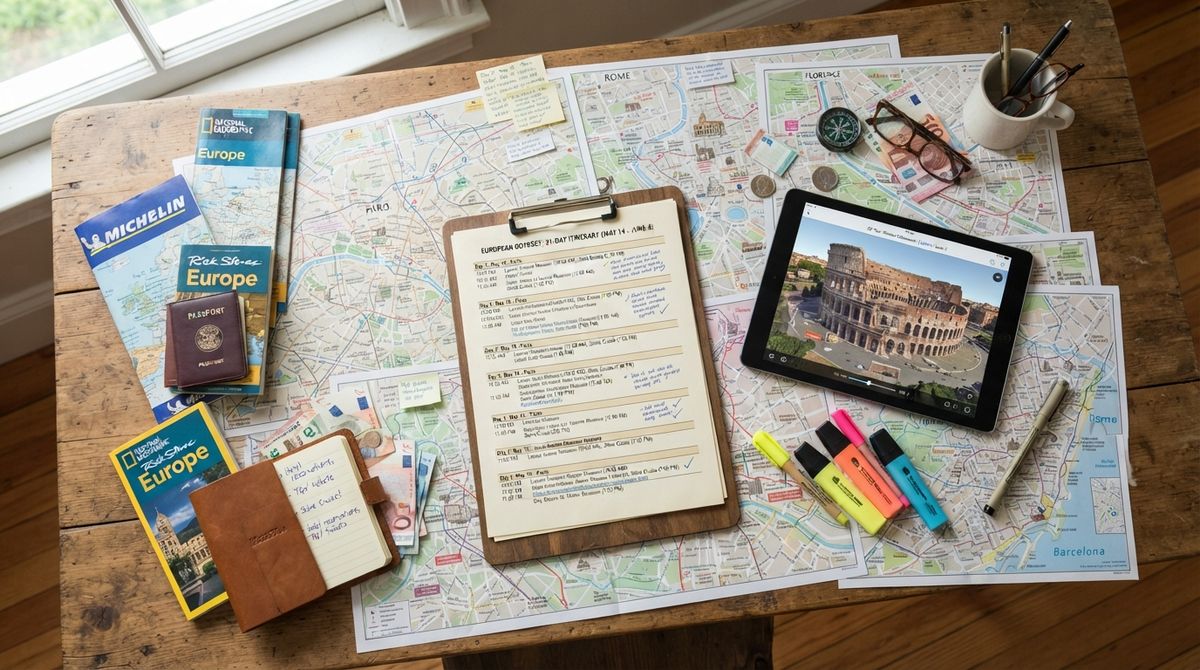
Every trip begins with a choice about pace. Some travelers plan a dense schedule that covers every landmark on the list, while others settle into one place and let the days unfold. Both styles have passionate supporters and clear limitations that are easy to overlook at the planning stage. Choosing between them depends on energy, budget, interests and how much uncertainty a person can comfortably handle. This article compares the two approaches so that a cautious planner can see the trade-offs clearly before booking anything.
What a Packed Itinerary Offers
A packed itinerary can make the most of limited vacation days. Visitors who want to see several cities or sites often find that a tight schedule gives them the widest experience. Clear plans reduce the time spent deciding what to do next, which keeps the energy focused on the trip itself. Many people enjoy the sense of progress that comes from ticking off goals one after another. That momentum can feel rewarding when the list matters a great deal.
Readers may also want to visit al-thai.com. Building a rough schedule before departure helps reveal timings that are unrealistic once distances are considered. A day with one main activity and one flexible slot is often more pleasant than a run of back-to-back commitments. Reviewing the plan each evening keeps it manageable and gives room to adjust. Small corrections made early prevent larger disappointments later.
The Appeal of Slow Travel
Slow travel focuses on depth rather than breadth. A traveler who stays in one neighborhood for a week learns the routines of local markets, cafes and parks. Relaxed mornings and unhurried meals can make a trip feel restorative in a way that a rushed schedule rarely does. Many visitors remember a single unplanned conversation more clearly than a famous sight they photographed in a hurry. Depth of this kind tends to leave a lasting impression.
This approach often costs less in transport and in the number of hotel changes. It also reduces the stress of constant packing and unpacking, which can drain energy quickly. Slow pacing suits families, people with mobility needs and anyone recovering from a busy year at work. You can also visit Uniquely Women for more reading. Choosing a slower rhythm can make a holiday feel like a genuine break from daily life.
Drawbacks of Each Style
Packed schedules can lead to exhaustion, missed meals and rushed photographs that never get a second look. Travel delays can ripple through the whole plan and leave little room for recovery between events. Slow travel carries its own risks, including boredom for people who crave variety and new stimulation. It may also mean missing a famous attraction that someone had hoped to see in person. Each risk deserves an honest look before the trip begins.
Some travelers find that extended stays are harder to fit around work or family commitments. A shorter trip with a loose plan can feel rushed or unfocused when the days pass without a clear direction. For a related read on this site, see Criteria for a Travel Agency Desk That Earns. Honest answers to those questions help avoid disappointment later on. Clarity about purpose is often the best defense against regret.
Matching the Pace to Your Goals
Start by listing what matters most for the trip ahead. Some people want culture, others want rest, and many want a little of both in equal measure. A simple ranking of priorities can reveal whether a dense or a relaxed schedule fits better with the goals. Writing the ranking down makes the comparison easier to revisit later. Clarity reduces regret when the plan meets the messy reality of travel.
Consider the practical constraints as well, such as flights, leave from work and the energy level of everyone involved. A hybrid approach often works well, with two fixed events and several open days in between. Adjusting the plan after the first day offers a useful checkpoint without locking anything in too early. Flexibility is a strength in this process rather than a weakness to hide. Good plans leave space for the unexpected.
Planning With Room to Adjust
Booking refundable options and leaving buffer time between events can reduce a great deal of stress. Keep a short list of backup activities for rainy days or for afternoons when everyone feels tired. Confirm important reservations in advance, especially for popular sites that fill quickly during peak periods. A little structure goes a long way toward a relaxed trip. Too much structure, however, can crowd out the moments people remember most.
Leave some blank space on the calendar so that discoveries can happen naturally on the road. Many travelers find that their favorite moments were never on the original list at all. Balancing plans with openness usually produces the most satisfying trip for people of different tastes. The right pace is the one that leaves you curious rather than drained at the end of each day. That feeling of curiosity is worth protecting.
Packed itineraries and slow travel each offer genuine rewards along with distinct drawbacks. The best choice depends on energy, interests and the purpose of the journey itself. Honest planning, flexible bookings and room for surprise can make either style enjoyable when it is chosen deliberately. Each traveler can then shape a trip that feels right for their own needs, and that trip may look different from the one planned on the first day.