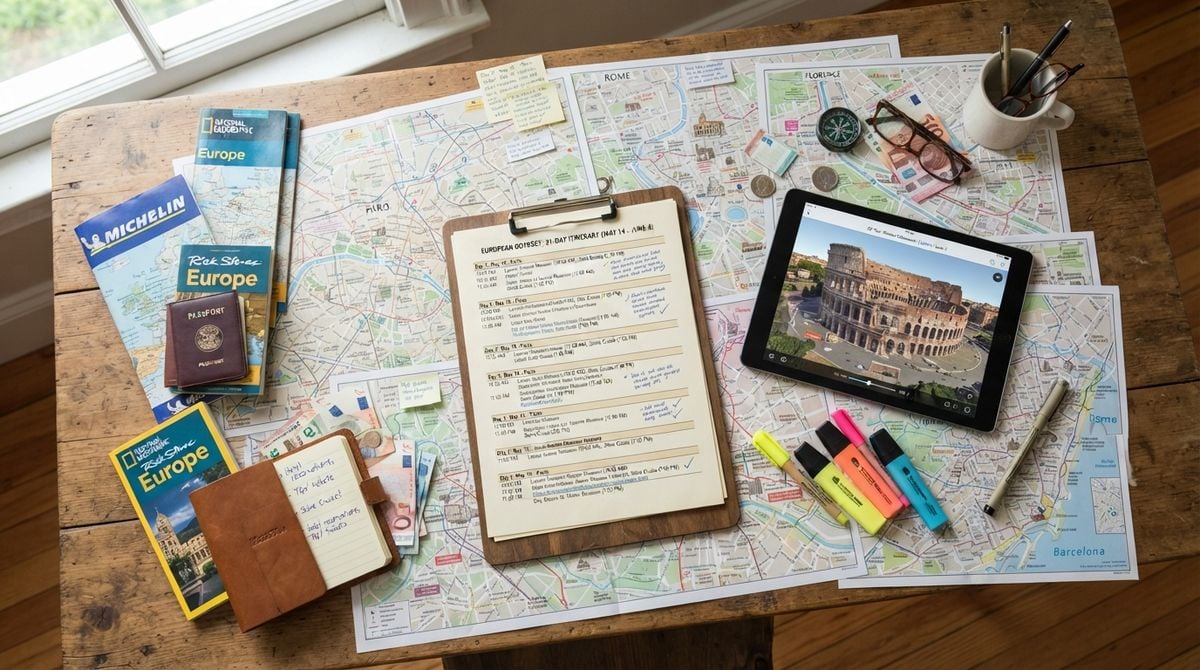
Trip planning often feels productive while it is happening, yet a large share of the hours can go to rework. Bookings change, a train is cancelled, a museum closes on the day planned for it, and the itinerary has to be rebuilt from the top. Each correction looks small by itself, but the cumulative effort can take over the weeks before a departure. This article explores where that rework comes from and offers simple habits that cut it down. It stays general in nature, so anyone with a specific arrangement should confirm details with the official source before relying on them. Most planners find the work is easier when it is done in short sessions rather than one long push.
Building a Flexible Skeleton
A rigid plan breaks easily. A better approach is to set the anchors, such as the arrival, the departure and any fixed bookings, and leave the middle loosely planned. Each day can have one main activity and an optional backup that can be swapped in when plans shift. This structure makes rework quick, because a change only touches the optional parts rather than the whole week. Readers may also want to visit venturecake.com. Keeping the skeleton to a single page makes it easy to scan before every decision. Each anchor should include the reason it matters, so that a change can be judged quickly against the original goal. Leaving a gap of an hour or two in each day also gives room for spontaneous discoveries without rewriting the whole schedule.
Checking Opening Times and Schedules
Many itinerary problems come from outdated schedules. Opening hours change with seasons, holidays and maintenance work, and a plan built on old information must be corrected on the ground. Checking official sites just before the trip, and confirming any timed entry, saves a great deal of scrambling. You can also visit bajiroo.com for more reading. Writing the confirmed hours next to each stop makes the day’s route simple to follow. Opening hours are not the only detail to verify, since closures for private events and changes to ticket rules can catch a visitor off guard. Checking the local transport timetable on the same day adds a useful second layer of confirmation.
Keeping Bookings in One Record
Bookings scattered across several email threads are hard to update. When a train time shifts or a room changes, the traveler has to search every thread to find the matching item. A single document with confirmation details, addresses and contact numbers keeps everything in one place. Sharing the document with travel companions also prevents separate versions from drifting apart. For a related read on this site, see Working on the Road Without Feeling Frantic. Saving a copy offline means the details remain available even when the connection is weak. Booking emails should be forwarded to a dedicated address or label so they are easy to locate later. A single list of reference numbers also helps if a support line asks for details during a call.
Allowing Time for Transit
Transit estimates are another source of rework. Walking times, connections and luggage handling often take longer than the first draft of the plan assumes. Adding a buffer around each transfer reduces the need to rearrange the day when something runs late. A buffer also lowers the stress of the journey, which makes decisions faster when a delay does happen. Planning around transit rather than against it usually means fewer changes overall, and fewer frantic messages to hotels and hosts. Build the buffer around the longest step of the day rather than the shortest one, since that step tends to decide the rest. Noting the expected wait time at each transfer point keeps the estimate honest.
Reviewing the Plan Before Departure
A final review before leaving catches most remaining issues. Reading the plan aloud, checking each date against the bookings and confirming the first morning’s route can reveal gaps that were invisible during planning. Saving a printed copy of the first day’s details protects against a dead phone at the station. The review takes a short sitting, yet it prevents the longer scramble that follows a missed step on the road. Ask a travel companion to read the plan too, since a second reader often spots a missing connection or a duplicate booking. Keep a short note of the main contact numbers in the same file.
Itinerary rework is a normal part of travel, but it does not need to consume the weeks before a trip. Anchoring the plan, keeping bookings together, building in transit time and reviewing before leaving turn most changes into small edits rather than full rebuilds. The result is more time for the destination itself. Small, regular checks along the way keep the trip moving smoothly from the first morning to the last.