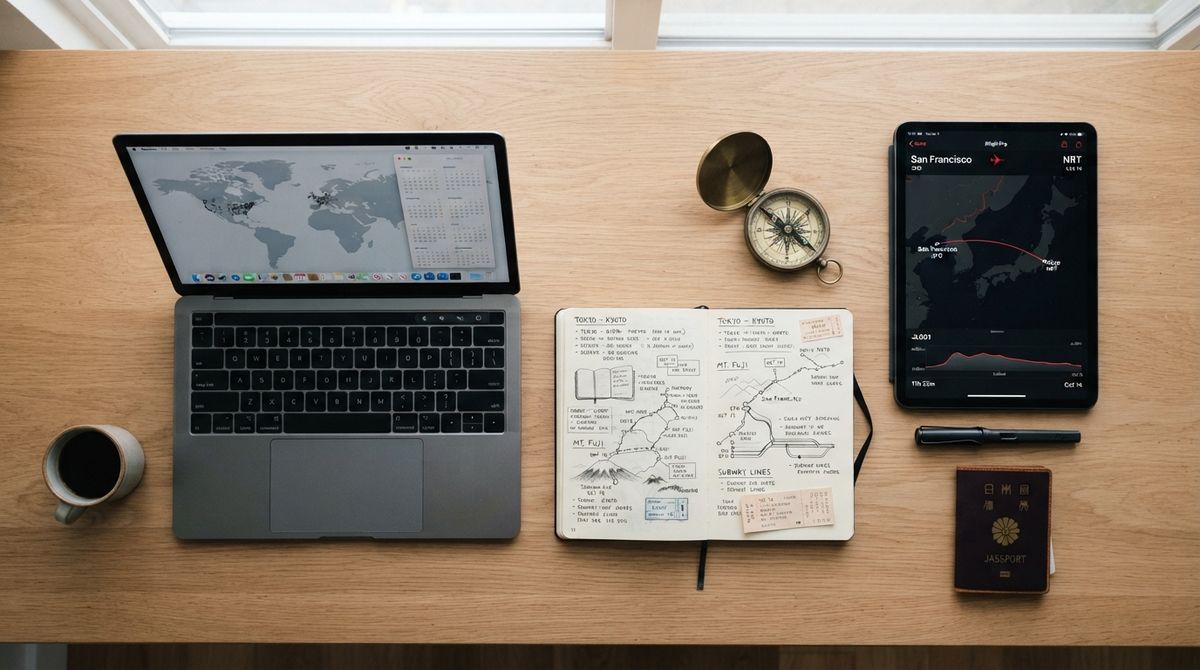
A travel agency desk earns its keep through repeat business, and repeat business depends on small habits that clients notice. A traveler who feels heard, informed and looked after is likely to return for the next trip and to recommend the desk to friends. A traveler who feels rushed or confused rarely comes back, even when the flights were cheap. The criteria below describe what a solid desk looks like from the client’s side of the counter, without relying on any particular booking system or brand.
The points in this article are general standards rather than promises of results. They suit a small agency, a home based planner or a team inside a larger business. Each criterion can be adjusted to your market, your staff and the types of trips you arrange most often. Use them to review your current service and decide where a modest change would make the biggest difference.
Setting Clear Service Promises
Clients return to a desk they can predict. Write down what the desk promises, such as a reply within one working day, a written summary after every booking and a reminder before payment deadlines. Keep the promises realistic. A promise that staff can keep every time builds more trust than a bold claim that slips under pressure.
Readers may also want to visit news4public.com. Read them for ideas, then adapt the wording so it matches the way your team actually works. A promise written for a large operation may be impossible for a desk with two people and a busy phone line.
Organizing Bookings and Records
Clients notice when a desk loses track of details. Keep one file for each trip, with the traveler names, passport reminders, seat choices, dietary notes and the full list of confirmations. Use the same layout for every file so that any staff member can pick up a case without asking the client to repeat information. Clear records also make it easier to spot patterns, such as which routes or hotels keep causing problems.
You can also visit Matthew Bourne for more reading. Those guides explain common pitfalls, such as tight connection times or split tickets, and they help the desk plan safer routes. Share the most useful points in a short internal note that the whole team can refer to.
Communicating With Travelers
Communication is where repeat clients are won or lost. Send a short summary after each booking that explains what was reserved, what the client must do next and when the next update will arrive. Use plain language and avoid jargon. When something goes wrong, tell the client quickly, state what is known and explain the options, even if the final answer is not yet clear.
For a related read on this site, see Pacing a Long Holiday: The Days Travelers Should. Customize the wording so it sounds like your own agency and includes the details that matter to your clients. Friendly, precise messages tend to be saved and reread, which keeps the desk in mind long before the next booking.
Learning From Each Trip Request
Every request is a chance to learn what clients value. Keep a simple log of questions that come up often, such as baggage rules, seat preferences or the best time to rebook. Review the log each month and turn repeated answers into a short guide or a template. Over time, the desk becomes faster and more consistent, and clients feel that the service is tailored to them.
Ask for feedback after a trip is complete. A brief message asking what worked well and what could improve is often enough to reveal a useful insight. Thank clients who reply, and act on the suggestions that fit your service. Clients who see their comments lead to real change are more likely to return, and they are more willing to refer others to the desk.
Pricing and fee transparency also matter to repeat clients. Explain how the desk charges, whether through a service fee, a commission or a flat arrangement, and make sure the explanation appears before any payment is requested. Clients rarely object to fair fees when they understand what they are paying for, but they remember surprises for a long time. Offer a simple summary of costs with each quote, listing the items that are included and those that are not. When a client questions a charge, answer calmly and show the paperwork, because a patient explanation often turns a doubtful client into a loyal one. A thoughtful follow up after a trip closes the loop. A brief note asking whether everything went well, and whether the next journey is already in mind, keeps the desk present without pressure.
Remember that a booking is rarely the end of the relationship. Clients who receive a small reminder about their passports, travel insurance or seat check in windows tend to feel supported, and they are more likely to rebook with the same desk next time around.