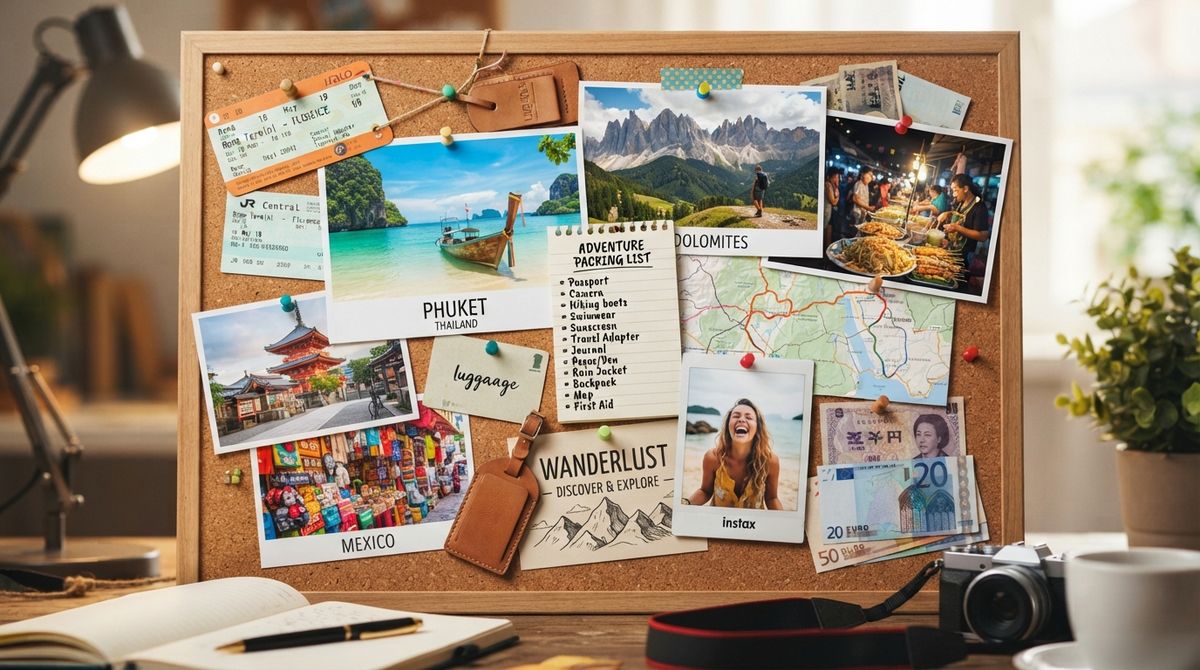
The first days of a long trip are full of color and momentum. Every street looks new, every market offers something unfamiliar and the itinerary feels like a promise. By the third week, though, the pace can start to wear. Bags get heavier, sightseeing lists grow longer and the small pleasures that drew you out can get buried under logistics. Many travelers realize that the trip has become a race rather than a holiday.
This article explores how to slow the rhythm of a longer journey so it stays rewarding. The ideas are general and flexible, suited to people who travel on their own, with a partner or with friends. None of them require special planning software or a large budget. They simply ask you to make room for rest, curiosity and the places you already love.
Choosing Fewer Destinations and Staying Longer
One of the simplest ways to slow down is to cut the number of stops. Moving between towns uses time, energy and money, and it often leaves little space for the unplanned moments that make a trip memorable. Pick a base where you can stay several nights, and explore outward in short loops. Returning to the same café or street each day creates a sense of belonging that a rushed itinerary rarely offers.
Some travelers find that a single neighborhood feels like home after a few visits. Learning the names of shopkeepers, the bus routes and the best local bakery turns a visit into something closer to a stay.
Look at your current plan and mark which stops are truly important. Keep those and remove the rest, or move them to a later trip. Readers may also want to visit wallstsouth.org. Use the information to design a gentler route rather than a packed one. Mark two or three anchors on the map and build the rest of the days around them.
Building Rest Days Into the Schedule
Rest days can feel like wasted time, yet they often make the rest of the trip better. Plan one unhurried day every week or so with no fixed appointments. Sleep in, wander without a map or spend the afternoon reading in a park. The point is to let your mind catch up with your surroundings after a stretch of new impressions.
Protect those days from guilt. Remind yourself that a trip is meant to be enjoyed, and that rest helps you notice details you would otherwise miss. Some travelers also keep a small notebook for quiet observations, which turns a slow afternoon into a rewarding record. You can also visit Mysqmclub.com for more reading.
Eating Meals as Anchors for the Day
Meals offer natural pauses in a busy schedule. Rather than grabbing food on the move, choose a few times each day to sit down and enjoy what you have ordered. A relaxed lunch in a local spot can become the highlight of the day, especially when you take time to talk with the staff or watch the neighborhood. Slow meals also help manage fatigue, since they give your body a chance to recover. For a related read on this site, see Working on the Road: Benefits and Drawbacks.
Shopping for simple ingredients can serve the same purpose. A bakery visit in the morning or a market stall in the afternoon gives you a reason to walk slowly and look around. If you are staying somewhere with a kitchen, a basic breakfast at home can keep spending low and mornings calm. These small rituals become the threads that tie a long trip together.
Planning Transport With Comfort in Mind
Transport takes up more of a long trip than most people expect. Long rides, tight connections and crowded platforms can drain even enthusiastic travelers. Choose transport that lets you sit, stretch and look out the window when possible. Where you have a choice, schedule long journeys for the middle of the day so you are not rushing to catch an early departure.
When a long ride is unavoidable, pack a small kit for comfort. A reusable bottle, a light snack, a book and a layer for cool air make the journey easier. Small preparations reduce stress and leave more energy for the arrival. A little forethought at the station often saves a great deal of walking later.
Leaving Room for Serendipity on the Last Stretch
The final stretch of a long trip can feel rushed as people try to fit in one more sight. Resist that urge by keeping one open afternoon at the end. Let it follow your curiosity, whether that means visiting a neighborhood you skipped or simply revisiting a favorite view. Unplanned moments often become the stories you tell long after the trip is over.
Slow travel is less about doing less and more about noticing more. Keep that idea in mind when the schedule begins to crowd again. When the pace is gentle, the places you visit have time to register, and the people you meet have time to share something of their own. A long journey that is paced well feels generous, leaving you refreshed rather than depleted when you finally head home.