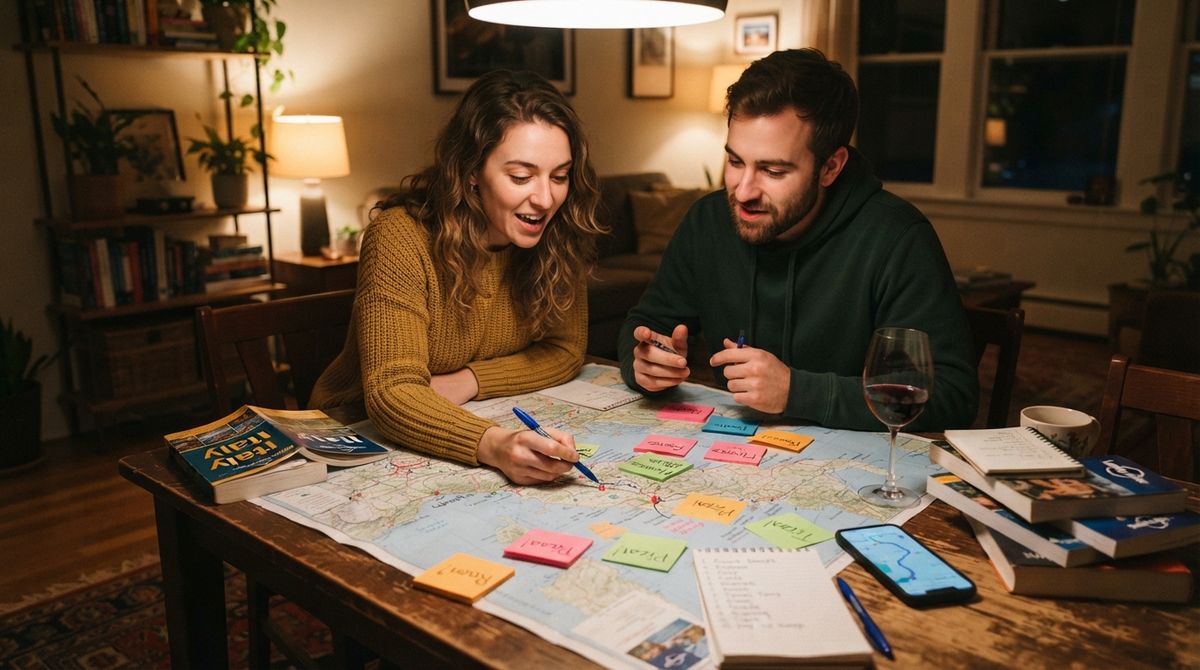
A short trip feels lighter when the packing uses only two bags and the route is set before leaving home. Choosing the bags, planning one route, listing the essentials and checking the connections is all the preparation most trips need. This approach keeps the journey simple, even when it includes a train, a bus and a short walk. It is general travel information only. Each step can be adjusted to fit the destination, the season and the length of the stay, so the plan stays flexible. Starting from a short plan also leaves room for a spontaneous detour.
Pick Two Bags With Clear Jobs
Choose one carry-on bag for clothes and one smaller bag for items you need during travel. Give each bag a clear job so nothing ends up in the wrong place. The carry-on should hold a change of clothes, toiletries and a light jacket. The smaller bag keeps chargers, documents, a water bottle and snacks within easy reach. Two bags are easier to manage than one overstuffed case, especially when stairs or crowded platforms are part of the route. Readers may also want to visit site-reference.com. Test the weight of each bag at home so surprises do not happen on the platform. Keep the bags similar in color for quick spotting. A strap tag with your name helps if the bags are placed side by side.
Map One Route in Advance
Write down each leg of the journey, from the front door to the final stop. Note the times, the platform or gate and any changes that are likely. You can also visit news-takeuchi.com for more reading. Save the route in one place that works offline in case the signal drops. Keep a backup route in mind, such as a second train or a taxi, in case the first option is delayed. Print one copy of the route to carry in the smaller bag. A short plan written in plain words is easier to follow than a long one. Share a copy with a travel companion so both people know the plan.
List Only the Essentials
Make a short packing list with only the items you use every day, plus a few reserves for surprises. Include any medication you need, a phone charger, a spare battery pack and a small first aid kit. Keep the list on your phone so you can tick items off as you pack. For a related read on this site, see Tuning In to a Remote Workday on the. Remove anything you might buy at the destination, since that saves space for the return journey. Check the forecast for the destination so the layers match the weather. Leave a small gap in each bag so souvenirs fit comfortably later. Pack the heaviest items low and near the back, which keeps the bag steady on stairs.
Keep Documents Together
Place travel documents in a single pouch and keep it in the smaller bag at all times. Make a digital copy of each document and store it in a secure place, such as an encrypted note. Keep a paper list of emergency contacts in case your phone stops working. Check that each document is valid well before the trip starts. A clear system for documents removes much of the stress from busy transfers. Show the pouch to a travel companion so they know where it is. Avoid carrying all copies in the same bag, so one loss does not leave you stranded. Put a small tag on the pouch so it is easy to spot. Check the pouch once more before leaving the hotel or the house.
Unpack and Reset at Home
When you return, unpack the carry-on first and wash anything that needs care. Return the smaller bag’s contents to their usual places, and recharge devices in the same spot each time. Note what was useful and what stayed in the bag unused, then update the packing list. Check the route notes for any changes that might help next time. Store both bags empty and clean, ready for the next short trip. A reset takes about fifteen minutes and makes the next departure much easier. Thank the people who helped you along the way. Share a brief note with them if you want, since they often enjoy hearing how it went. A calm return is a good end to any trip. Note one thing that would make the next trip smoother, and keep it in the list.
A two-bag plan with one clear route is a light way to travel. The essentials are to choose two bags, map the route, list what matters, keep documents together and reset after the trip. Each one takes little time, and together they remove most of the stress from a short journey. With these habits in place, the next trip can begin with a simple plan and an easy walk to the station. Each trip then adds a little more confidence.