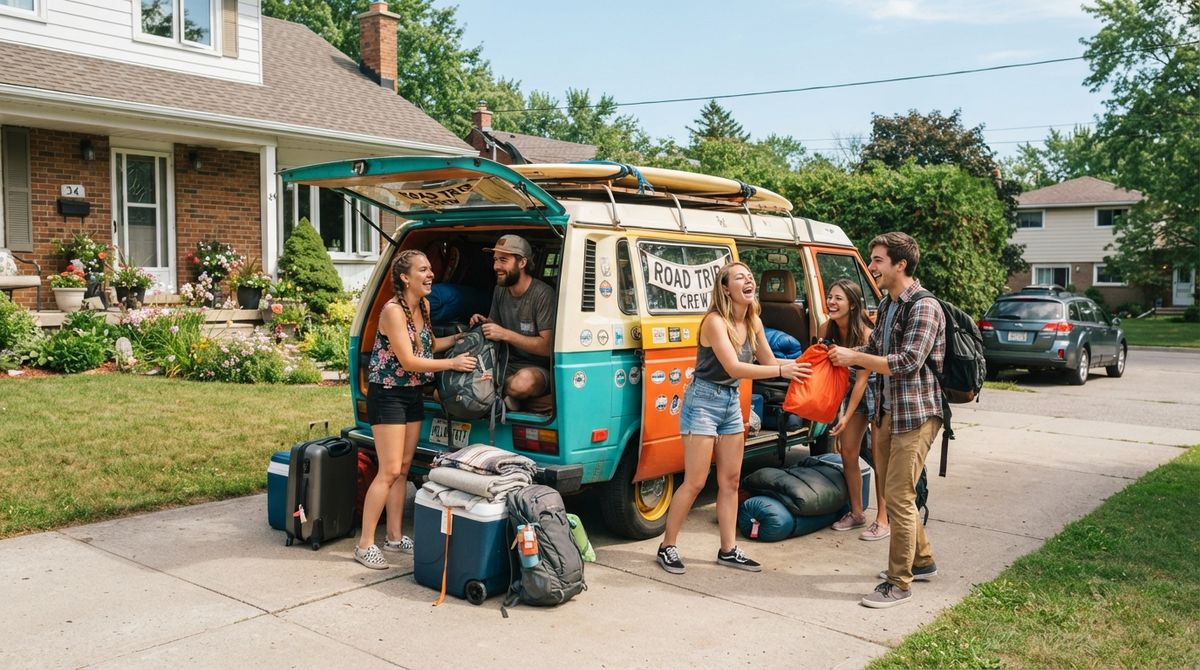
A new job in a different city often means a new set of weekends to fill. Trails, markets and quiet viewpoints may be nearby, but they will not appear on your map until you go looking. Treating each weekend as a small exploration helps the new region feel familiar sooner. Even a short walk can reveal something you did not expect.
This article explains how to plan local travel within a new home region. It focuses on routes, timing and gear rather than on any particular place. Adjust the suggestions to your fitness level, the weather and the local rules. Think of each outing as practice for the next one, and let your confidence grow gradually as you learn the area.
Choosing Your First Local Routes
Start with a short loop that you can complete in an afternoon. Look for routes with clear markers, regular rest spots and easy access to public transit. A modest success builds confidence for longer days. Keep a note of the start points you return to most often. Your first routes do not need to be impressive to be useful. Short routes also give you more chances to try different directions.
Ask neighbors or colleagues which paths they use most often. Their answers reveal details that maps rarely show, such as shade in summer or quiet hours. Readers may also want to visit worldatlasbook.com. Save the routes you like in one place so they are easy to find. A simple list with notes is enough. Include the approximate time each route takes so you can plan your day.
Timing Trips Around Weather and Crowds
Weekends can be busy in popular spots, so plan your start time early. Morning light tends to be calmer and cooler, which helps on warm days. Check the forecast the evening before and pack for changing conditions. An early start often makes parking easier too. Many walkers find that the first hour after sunrise is the best part of the day.
Note which trailheads fill up first, and keep a backup route in mind. You can also visit Sinoramabus.com for more reading. Look for weekday options if your schedule allows. Quiet routes make it easier to notice the landscape. A slower pace also gives you time to notice wildlife and plants.
Packing a Simple Day Kit
A small daypack is enough for most local outings. Include water, a light layer, an offline map, a basic first aid kit and a snack. Keep your phone charged and carry a paper note with emergency contacts. These few items cover most surprises on a short route. Adding a small torch or headlamp can also help if the day runs longer than planned.
For a related read on this site, see Keeping a Simple Work Log While on the. Review your kit after each outing so you know what you actually used. Replace any items that have expired or dried out. A tidy kit saves time when you are ready to head out. Keep the kit in the same place by the door each time.
Learning the Local Rules and Etiquette
Every trail system has its own rules about dogs, bikes and camping. Read the posted signs and any official notices before you enter. Respect closures, even when the path looks clear. Rules exist to protect both people and the landscape. Local rangers can also answer questions about seasonal restrictions. A quick phone call before you set out can save a wasted trip.
Stay on marked routes to protect plants and wildlife. Carry out everything you bring in, including small wrappers and peels. Step aside politely for other users on narrow paths. Friendly habits make shared spaces pleasant for everyone. Greeting other walkers is a simple courtesy that helps a new area feel welcoming. A friendly nod can make a stranger feel like a neighbor.
Turning Weekend Walks Into a Routine
Once you find two or three routes you enjoy, repeat them through different seasons. Familiar paths reveal changes in light, plants and weather that a single visit would miss. Keep a short log of what you saw on each walk. Over time the log becomes a personal guide to the region. Photos taken from the same spot each season make the changes easy to compare.
Invite a new colleague or neighbor to join you on a route. Shared outings help a new region feel like home faster than solo trips do. Plan a simple picnic or coffee stop at the end. Small rituals turn a walk into a memory. A regular meeting time also keeps the habit alive during busy months.
A new job brings a new map, and weekends are the best time to read it. Begin with a short loop, plan around weather and crowds, pack a simple kit and respect local rules. Over several months the trails become a reliable part of your week. The region that felt unfamiliar at first will begin to feel like a place you know well.