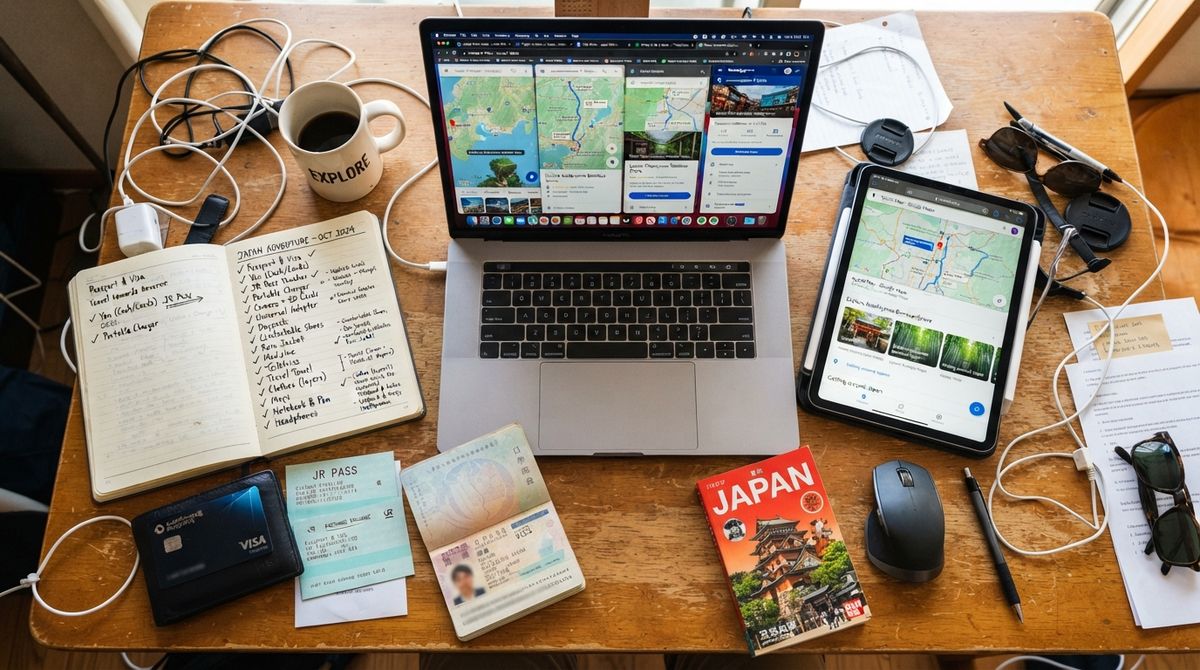
Long trips for work can blur together, with hotel rooms, airport lounges and video calls filling each day. A simple work log helps a traveler keep track of what was finished, what remains open and what needs follow-up once the journey ends. This article follows one small habit, a short note written each evening, through the first week, the first month and the third month. It shows how the habit changes the way a person plans the next trip.
Choosing a Log That Fits Trips
A useful log is light enough to carry anywhere. A notes app on a phone or a small paper notebook works well, as long as it opens quickly and does not need a connection. Use a fixed structure with three headings: tasks completed, open questions and people to contact. The structure keeps entries short, which matters when a flight is delayed and the battery is running low. Readers may also want to visit exploremysoul.com.
Use plain words that you will understand later, without shorthand that only makes sense on the day you wrote it. Save each file with a clear name so you can find it among other documents when you need an answer. A log that cannot be found in a hurry is not much use. Keep one master file for the whole year, and begin a new section for each trip so the history stays easy to scan.
Week One: Building the Habit on the Road
The first week is about making the habit feel normal in unfamiliar places. Write the entry at the same point each evening, even if it is brief. Hotel desks, train seats and café tables all become easier to use once the routine is set. You can also visit naturefocusthailand.com for more reading.
Keep the first entries modest. A short list of three completed tasks and one follow-up is enough to prove that the system works. Missing a day is not a disaster, but a gap of several days makes the next entry harder to write honestly. Resist the urge to write a diary of the whole trip, since that turns the log into a chore and most travelers will stop using it within a few days.
Month One: Seeing Which Days Run Smoothly
After a month, the log begins to show patterns that are easy to miss in the middle of travel. Some days produce a long list of finished work, usually those with a single city and a clear schedule. Others fill up with follow-up questions that never got answered. For a related read on this site, see A Bedside Light Routine for Light Sleepers on.
Notice which kinds of tasks clustered on the smoothest days. You may find that travel mornings suit reading and writing, while late afternoons work better for calls and quick decisions. Use these observations to shape the next itinerary, rather than relying on hope or a vague sense of how the trip went. A small adjustment, such as moving a call to a different hour, can change the whole rhythm of a trip.
Month Three: Turning Notes Into a Trip Review
By the third month, the log supports a short review at the end of each trip. Read the entries from start to finish and look for recurring problems, such as missing chargers, unclear meeting times or rooms that were too far from the event. These are concrete items you can fix before the next departure, which is far more useful than a general resolution to travel better. Write the findings at the top of the trip file so they are the first thing you see.
Store each review with the trip notes so that the history stays together. A small folder of reviews becomes a checklist that travels with you, saving time when planning the next trip. Keep the reviews focused on logistics, since their purpose is to improve planning rather than to judge performance. A calm, factual tone makes the review easier to return to and easier to act on.
Planning the Next Trip With Lessons Learned
Before the next departure, copy the most useful points into a fresh log so they are visible from the first day. A line about booking hotels near the venue, or about packing a spare battery, is easy to skip when the schedule is crowded. Placing these reminders at the top of the file keeps them in view while you work. The effort takes only a few minutes and often prevents a small crisis later in the week.
Share a condensed version with a colleague who travels often. Two people comparing logs usually discover more than either would alone. Over time, the habit turns a stream of unrelated trips into a shared body of practical knowledge that the whole team can use. That shared knowledge is often the most valuable result of a habit that started as a private notebook.
A work log is a modest tool, yet it changes how a traveler experiences the road. In the first week it becomes a nightly ritual that anchors the day. By the first month the entries reveal which routines work and which ones waste time. By the third month the notes support a clear trip review that makes the next departure smoother. The best logs are short, honest and written for the person who will read them later.