Anyone who works while traveling knows that the trip itself is only part of the job. Between flights and hotel check-ins, there are calendars to rearrange, messages to answer, and forms to file. None of these tasks is large on its own, but together they can take over the hours meant for rest or sightseeing. This article looks at the most common sources of that hidden workload and offers simple ways to keep it short.
Juggling Calendars Across Time Zones
Scheduling a call from another city sounds easy until the clocks do not match. A meeting that suits one person at breakfast may fall in the middle of the night for someone else, and each reschedule triggers another round of messages. Keeping every appointment stored in a calendar that shows the time for each participant removes much of the guesswork. Readers may also want to visit Web Aspiration.
Set a rule for proposing times. Offer two or three options drawn from the overlap of working hours, rather than asking the other party to start from scratch. A short standard message with those options saves a long chain of replies. When a slot is confirmed, send a single reminder with the local start time and the calling link, so everyone arrives ready.
Airport Waits and Transfers
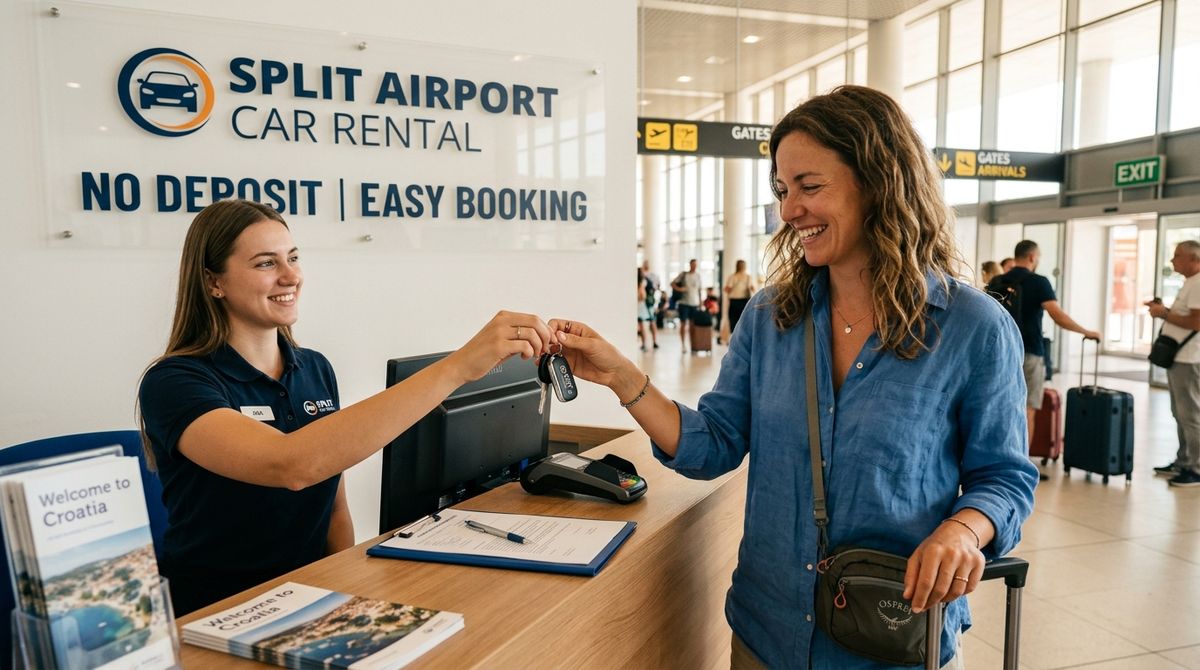
Airports and transfers consume time that rarely gets counted. Queues at check-in, security, and baggage claim can stretch a planned hour into two, and a late taxi can disrupt an entire day. Arriving earlier than strictly necessary is the simplest protection, and it turns a stressful rush into a calm walk. Carrying a small bag with a charger, a notebook, and a few offline documents lets the waiting time turn productive.
Transfers need a plan too. Booking a pickup in advance, with the address and flight number confirmed, avoids long searches for a driver at arrivals. You can also visit Story Wheel for more reading. A printed copy of the hotel address is also useful when a phone battery runs low.
Client Calls From the Road
Calls made from a hotel room or a train seat bring their own friction. Background noise, weak connections, and interruptions from staff can turn a fifteen-minute update into a longer tangle of repeated questions. Choosing a quiet corner before the call starts, and testing the connection a few minutes early, prevents most of these problems. For a related read on this site, see Itinerary Rework That Eats Up Trip Planning Time.
Keep the agenda short and send it ahead of time. A clear list of three decisions needed from the other person allows the call to finish in one go. Afterward, a brief summary email with the agreed next steps prevents the same subject from coming back the following day. Consistent habits like these reduce the number of calls that drift on without a result.
Receipts and Reimbursement Forms
Business travel generates paperwork that can spread across several weeks. Receipts drift to the bottom of a bag, taxi slips fade, and online bookings sit in an inbox where they are hard to find. Photographing each receipt on the day it is issued, and saving the image in a folder named for the trip, keeps the record intact. The effort is small, but it prevents an afternoon of searching later.
Filling in the expense form is easier when the details are fresh. Enter each item the same evening, using the same categories for every trip so the pattern stays familiar. Attaching the images directly to the form, rather than sending them in separate messages, reduces follow-up questions. A quick check against the trip itinerary before submitting catches missing items that would otherwise trigger a second round.
Rebuilding Routine After Arrival
The first day after a long trip often feels slower than expected. Email piles up, colleagues expect quick replies, and the body needs time to adjust. Setting aside the first morning for the most urgent items, and leaving the rest for later in the day, prevents the sense of being buried. Writing a short list of tomorrow’s tasks before bed makes the following morning easier to start.
Over several trips, a few habits make recovery faster. Keep a standard packing list that includes a spare charger and a set of printed documents. Note which hotel features, transfer options, and meeting rooms worked well, and reuse those choices next time. Each small improvement reduces the number of decisions needed on the next journey.
Logistics will always be part of working on the move, but most of its cost comes from repeated small decisions. Clear calendars, planned airport time, prepared calls, and tidy receipts remove a surprising amount of waste. Tackling one source at a time usually gives the biggest return. The result is a trip where more of the time belongs to the traveler and less of it belongs to the to-do list.