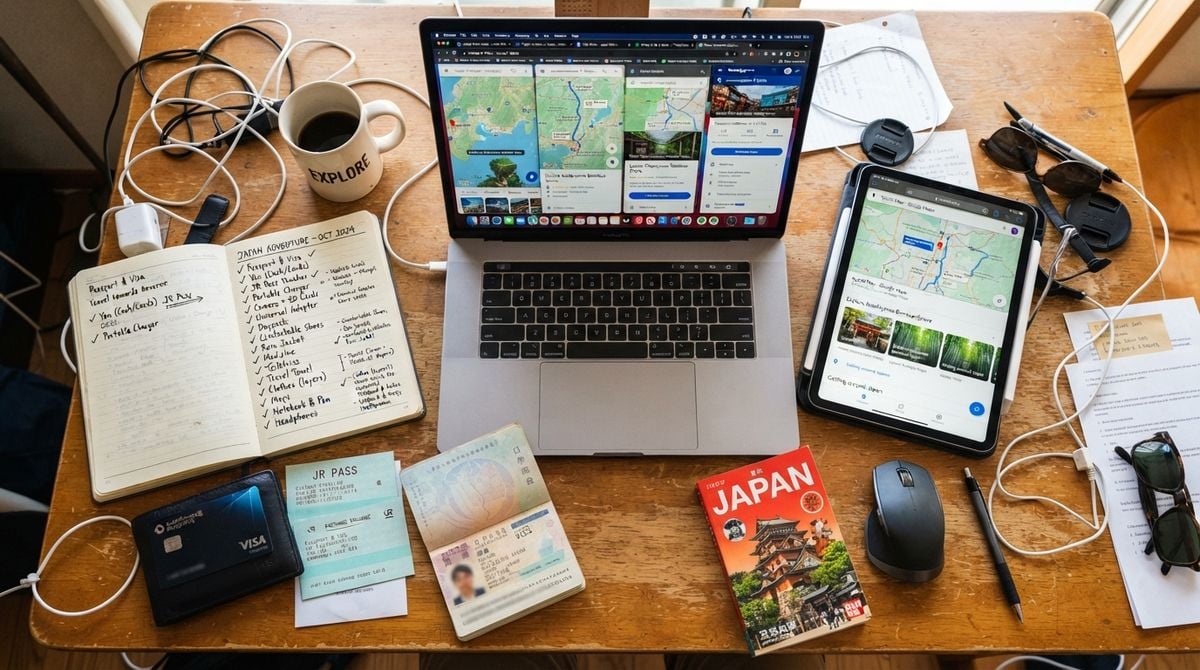
A group holiday can be wonderful, but planning it often falls to one enthusiastic friend who ends up answering every message. Divide the work early, agree on decisions and give each person a clear part of the trip. This approach reduces friction, avoids last-minute surprises and makes it easier for the group to enjoy the places they visit. The following ideas suit friends, relatives and small travel crews of all sizes, and they work just as well for a long weekend as for a multi-week journey.
Set the Group’s Shared Priorities
Start with a short conversation about what the group wants from the trip. Some people want quiet mornings and long lunches, while others want full days of hiking or city tours. List the top three priorities for each person, then look for overlap. The shared priorities become the filter for every later decision about where to stay and what to book.
Readers may also want to visit Diving Legal Consultant. Choose two or three sources the group trusts, and assign one person to summarize them for everyone else. Keep the summary short, and write down the reasons behind each choice so newcomers understand why the plan looks the way it does.
Ask each friend to name one local food or activity they hope to try, and add those wishes to the summary. A short list of must-do moments gives the group a shared target while leaving plenty of room for spontaneous detours along the way. Keep the list flexible, and cross items off when the group has enjoyed them.
Assign One Owner for Each Planning Task
Split the trip into tasks such as transport, lodging, daily plans, meals, budget and documents. Give each task one owner who makes the first proposal and posts it for feedback. A single owner keeps decisions moving and stops five people from debating the same restaurant at once. The owner does not decide alone, but they do carry the task from start to finish.
You can also visit motogprem.com for more reading. The owners then set deadlines for their tasks and report progress in one shared thread. A short weekly update keeps everyone aware without draining their evenings, and it gives quiet members an easy way to contribute ideas.
Share Budgets Without Awkward Arithmetic
Money causes more friction than almost anything else on group trips. Agree in advance whether costs will be split evenly, by usage or from a pooled fund. Choose a simple tool everyone already uses, and record each shared purchase as it happens. For a related read on this site, see Quiet Work Practices for Professionals Who Travel Often.
Settle small balances at the end of each day, so nobody carries a debt that grows into resentment. Encourage each friend to flag any expense they did not expect, and treat those flags as useful information rather than complaints. A calm habit of settling up keeps the trip relaxed and lets the group focus on the places they came to see.
Keep a small buffer in the shared fund for surprises such as a late taxi or an unexpected entry fee, and agree in advance on how it will be refilled. Having that buffer in place removes the awkward moment when someone has to ask the group for money on the spot. Agree that the person holding the buffer keeps a simple log of what was spent.
Handle Changes and Disagreements Calmly
Plans change when the weather shifts, a train gets canceled or one friend needs more rest. Agree that the task owner can adjust their part without asking permission, provided they update the group right away. This rule keeps the trip flexible without turning every change into a long debate. Everyone should feel free to suggest a swap, but the owner has the final say on their own task.
When two people disagree, invite each to share their reason in two sentences, then pick the option that serves the most people. If a decision still feels stuck, rotate the final say to someone who has not made one yet. Fair turns build trust over several days, and they remind everyone that the trip belongs to the whole crew.
Reflect on the Plan After Returning
When the trip ends, ask each planner what they would change next time. Note which tasks took longer than expected and which owners felt overloaded. Record these lessons in the shared folder, so future trips start from a stronger base. Include a short note about which accommodations, routes and restaurants the group would happily repeat, since those recommendations are the most useful to the next planner. Save that note with the trip summary so it is easy to find.
Thank each planner for their effort, and mention the parts you enjoyed most. Recognition makes the next invitation easier to accept and keeps the group close for the next adventure.
Next Trip, Same Team
A well-planned group holiday feels effortless to the people who enjoy it, even though the planning took real teamwork. Keep the notes, invite the same crew again and build on what worked. Good travel companions make the next adventure easier to start.