Frequent travelers often bring a second job with them. Messages arrive at odd hours, receipts pile up in a wallet and files drift between devices. The office habits that keep a desk running smoothly do not disappear at the airport. Instead, they need a portable form that fits a suitcase and a phone screen.
The ideas below focus on the everyday routines of a traveling professional. None of them demands special software or a large budget. Each one trims a little friction from the trip, and together they help a trip finish with fewer loose ends than it started with.
A Portable Inbox Routine
A short inbox routine works best when it repeats on every trip. Scan messages at the same time each day, flag anything urgent and archive the rest. Readers may also want to visit new-politics.net.
Respond to messages in batches rather than as they arrive. Brief replies sent between sessions keep colleagues informed without pulling a traveler into long threads. Turn off nonessential alerts during flights and meetings so that attention stays on the task at hand.
Keep a short note of open items at the end of each day. A two-line list is enough to restart work the next morning without rereading a week of emails.
Organizing Receipts and Expenses
Expense trouble usually starts with a missing receipt. A photo taken at the moment of purchase is easier to file than a crumpled slip found later. You can also visit Konami-europe.net for more reading.
Match each receipt with its purpose while the details are fresh. A note about which client meeting the lunch supported saves time when accounts ask questions. Record the card used, too, so statements can be checked against the trip.
Store digital copies in two places, and check that the files open offline. Connection problems at airports are common, and a missing expense folder can delay reimbursement.
Packing for Work Continuity
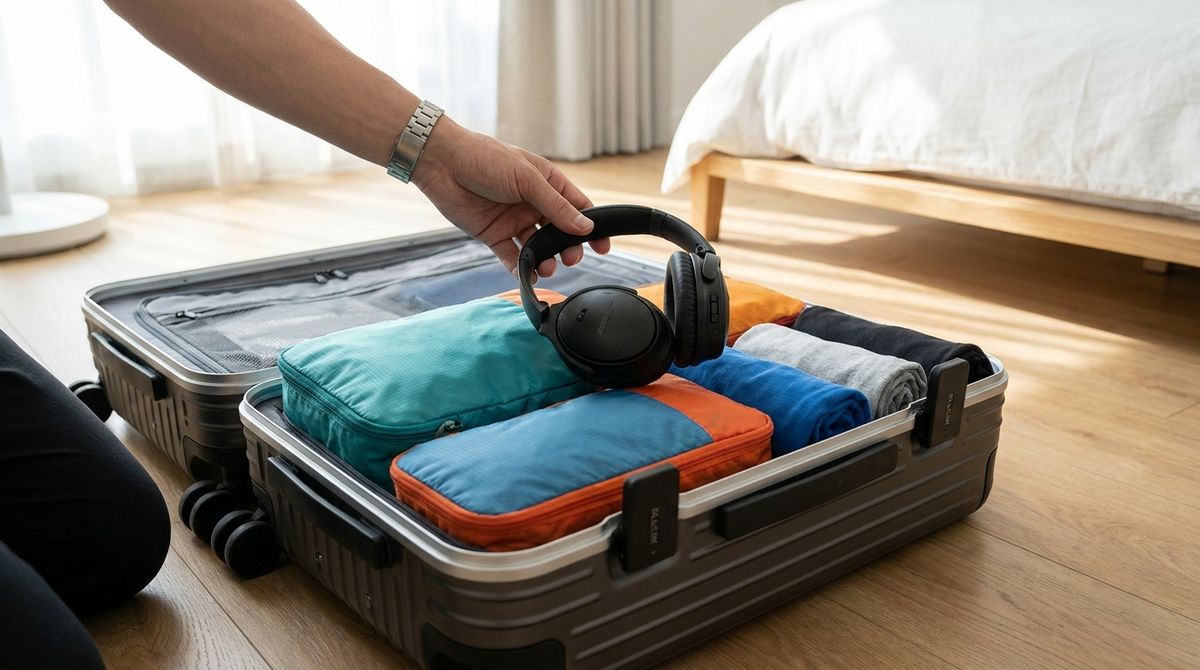
Packing for a work trip should cover the tools that keep projects moving. A spare cable, an adapter for local outlets and a backup drive can prevent a stalled presentation. For a related read on this site, see Transit Card Top-Ups and Platform Signs Travelers Often.
Pack a printed copy of key contacts and the agenda. Paper survives a dead battery and a locked phone. Keep it in the front pocket of the carry-on so it is easy to reach at a gate.
Mobile calendars need a travel setting of their own. Add a note for the local time zone next to each meeting, and block the first hour after landing for travel recovery. A visible block prevents a colleague from booking a call during the hour when a traveler is still finding a taxi. Share the calendar view with the office team so that everyone sees the same schedule. Color-code time zones so that the change is obvious at a glance.
Offline copies protect the work when connections fail. Save key documents, slide decks and spreadsheets to a folder that opens without a network, and test that the files load before boarding. A quick check at the gate costs little and removes a common source of stress during a delayed flight. The check can be done in under a minute.
Time Zone Handoffs
When a trip spans several time zones, handoffs with the home office need planning. Agree on a daily window when both sides are awake, and name who owns each open task during the overlap. Clear ownership prevents two people from fixing the same problem twice.
Share a short status note before going offline for the night. Mention what changed, what is waiting and what can wait until morning. The home team can then start the day without guessing.
Quiet hours at the end of a trip deserve protection. Turn off work notifications after the final meeting, and let the mind rest before the journey home. Ask a colleague to hold urgent calls during that window, so the traveler is not forced to pick up the phone. Travelers who skip this pause often carry tiredness into the next week, which makes small errors more likely.
Finally, record one lesson from every trip in a shared note. A sentence about a slow shuttle, a helpful colleague or a better seat choice can guide the next team member. Keep the note short, since long reports rarely get read on the road. Over time these notes form a practical guide that reflects the real experience of the office.
Quiet Routines Carry the Trip
Business travel is often judged by the big moments, such as a signed contract or a memorable speech. The quiet routines behind those moments matter just as much. A tidy inbox, a receipt folder and a clear handoff keep the work steady from takeoff to the final ride home. Treat these habits as part of the job, and the trips will feel lighter each time.