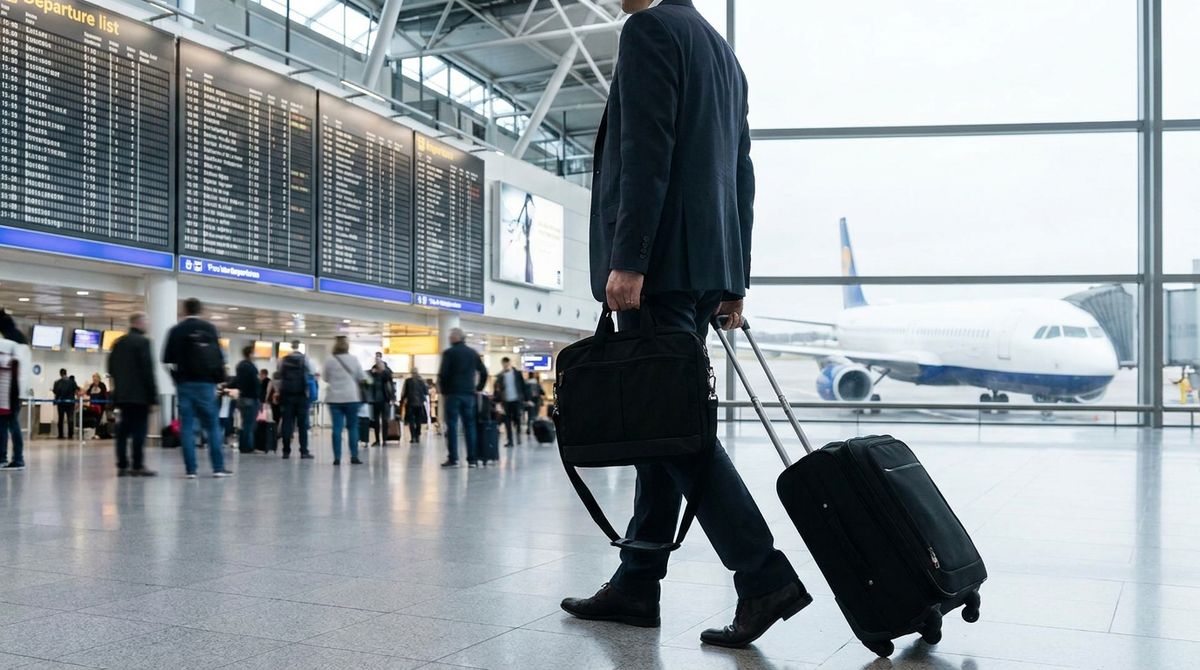
Frequent travelers often run their lives like a small company, even if they never think of it that way. Flights, hotel stays, meetings, expenses and family commitments all need tracking at once. Business owners solved many of those problems long ago, and their habits translate well to the road.
The advantage of borrowing these routines is that they require little more than a notebook, a calendar and a few minutes each week. This article covers five practical habits that help a traveler stay calm, organized and on budget.
Checklists for Every Departure
Business teams rely on checklists because memory is unreliable when schedules are busy. A departure checklist can include the passport, chargers, medication, the hotel confirmation and a note of the local time at the destination. Keeping the list saved on a phone and reviewed before each trip removes the anxiety of wondering whether something was forgotten. Readers may also want to visit tampabaybusinesslist.com. Updating the list after each journey keeps it useful, because small problems on one trip often suggest an item to add to the next.
Weekly reviews can be short. Ten minutes on a Sunday evening is enough to check passports, bookings and the weather forecast for the first few days. Travelers who make the review a fixed habit rarely find themselves rushing at the airport.
Expense Tracking That Takes Minutes
Companies track expenses so that money never disappears unnoticed, and a traveler can do the same. Recording each receipt on the day it is issued prevents the common scramble to remember what was spent in a foreign city weeks later. A simple spreadsheet with columns for date, category, amount and purpose is enough for most people. You can also visit Richtopgroup.com for more reading. Reviewing the totals once a month shows where the money went and where a future trip could be planned more efficiently.
Receipts can be photographed the moment they are issued, which saves folders of paper. Each photo can be named with the date and the purpose of the spend so that searches are easy. A monthly summary then becomes a quick task rather than a dreaded chore. Consistency turns a tedious job into a simple habit.
Calendar Blocks for Travel Time
Good managers protect time on their calendars, and travelers benefit from doing the same. A block for transit, check-in and rest should appear before a busy day rather than after it. Allowing extra time between connections or meetings reduces the stress caused by delays. For a related read on this site, see Small Changes for Airport Days That Feel Less.
Buffer time should be built into every connection, not just the long ones. A short block before a flight leaves room for a missed train or a slow taxi. When a day has more free time than expected, that time can go to a walk or a quiet meal.
Packing Systems That Stay Consistent
A packing system works like a standard operating procedure. Each category of item, such as clothing, toiletries and electronics, has a fixed pouch or place in the suitcase. When the same layout is used every time, nothing is lost in a hurry and unpacking takes far less effort. Travelers can keep a small inventory of what is in each pouch, which makes restocking after a trip quick and simple.
Packing cubes make the system easier to maintain because each one can be lifted out in a single movement. Travelers who keep a spare pouch for toiletries avoid carrying the full bag through security more than once. Small consistent habits like these save time on every trip. Each habit also gives a sense of calm when the schedule gets busy.
Communication Before Departure
Business trips usually begin with a short briefing, and personal travel benefits from one too. Sharing the itinerary with a trusted person at home, along with the contact details for the hotel and the emergency number for the local area, gives family members peace of mind. Agreeing on a daily check-in time keeps everyone informed without constant messages. A clear plan for what to do if a flight is canceled makes a stressful moment far easier to handle.
Sharing a simple emergency card with travel companions helps everyone stay aligned if plans change. The card can list the insurance contact, the nearest embassy and the local meeting point. Reviewing it before each trip keeps the details accurate. A printed copy in the bag works well when a phone battery runs low.
Making the Habits Stick
The best travel habits are the ones that fit naturally into daily life. Start with one routine, such as a departure checklist, and add another after the first feels automatic. Over time these small business-style practices create trips that feel organized from the moment they are planned to the moment the suitcase is unpacked at home. Each habit works best when it is reviewed and adjusted for the next journey.