Food is one of the best reasons to travel, yet a hungry visitor in an unfamiliar city can waste an afternoon wandering past closed kitchens. Restaurant finder apps shorten that search by showing nearby places, opening hours and recent photos of the dishes on offer. Used well, they turn a vague plan to eat something local into a short list of options that fit the route, the budget and the time available.
These apps are most useful when they are part of a broader plan rather than a last minute reaction. A traveler can mark a few places before leaving the hotel, save them to a shared map and check the list again before each meal. The habit takes a few minutes each day and often leads to better meals than random browsing ever does.
Saving Places on a Shared Map
Most finder apps let a traveler save a place to a personal list with one tap. Create one list for each city or region, and name it clearly so it is easy to find later. Add a short note beside each entry explaining why it was chosen, such as a recommended dish or a note about seating.
Readers may also want to visit primrose-soft.com. Group the saved places by neighborhood so that a lunch stop does not send the traveler across the city twice. A grouped list also makes it obvious where a free afternoon can be spent.
Checking Opening Hours and Booking Windows
Opening hours change with the season, the day of the week and local holidays, so a quick check before walking out is sensible. Finder apps usually display the current status, but the traveler should confirm the hours on the venue’s own page if the visit depends on them. A dinner reservation for a popular place often needs to be made several days ahead.
You can also visit Microphone Authority for more reading. Reading those notes before the trip prevents the frustration of arriving at a dark kitchen at four in the afternoon. A short note in the list can remind the traveler to check the timing again.
Reading Photos and Reviews With Care
Photos in a finder app show the dishes at their best, and the lighting is often chosen to make food look appealing. Look for images posted by ordinary visitors rather than only the official gallery, since those pictures show portions and presentation more honestly. Check how recent the photos are, because a menu can change quickly after a new chef arrives.
For a related read on this site, see Offline Itineraries for Multi-City Trips. A pattern across many reviews is more useful than a single glowing comment or a single complaint. Keep notes on the points that matter most to the trip.
Dietary Needs and Language Support
A traveler with dietary requirements should check the menu details before arriving. Many finder apps include filters for vegetarian, gluten free and other common choices, but these filters are only a guide. A short message to the restaurant, written in plain language, can clarify ingredients and prevent unpleasant surprises.
Translation features built into a phone camera or a keyboard app can help read a menu that is not in the traveler’s language. Test the feature before the trip, because a clear image of the menu works far better than a rushed snapshot taken in dim light. Keep a list of safe words or phrases saved on the phone for quick reference.
Offline Maps and Backup Plans
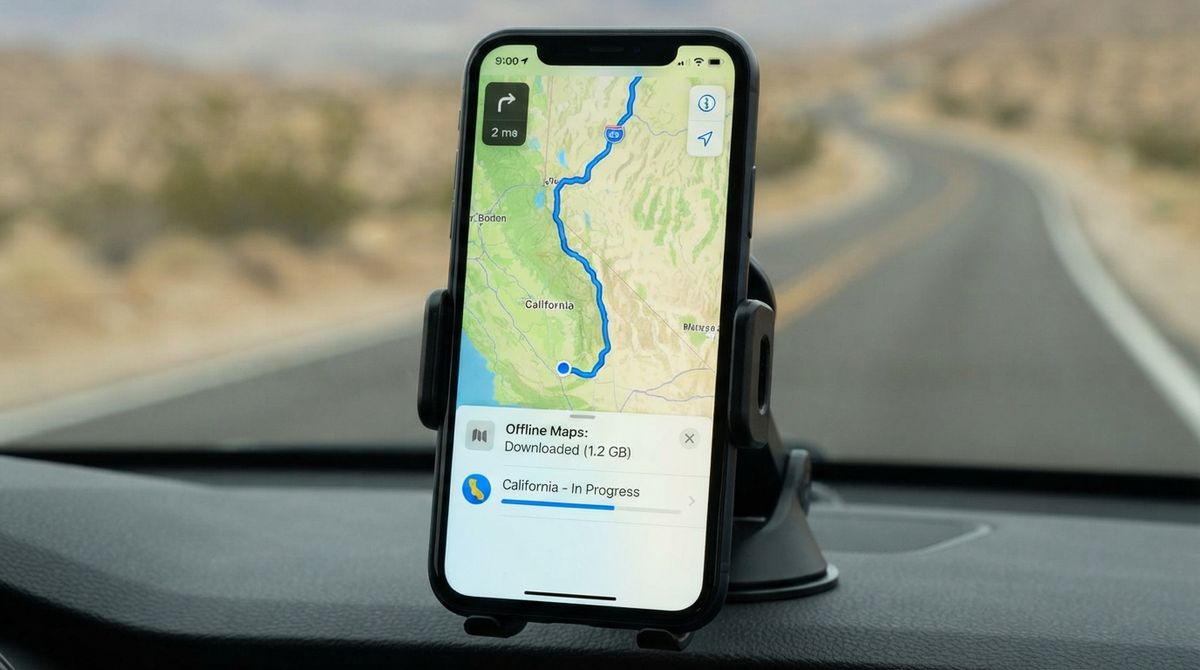
Cell coverage can be patchy in mountain towns, subway stations and older city centers. Download the map for each area before leaving the hotel so the saved places remain visible even without a signal. Keep a printed or screenshot list of two or three backup options in case the first choice is closed.
A backup plan also helps when a line is long or the weather turns. The traveler can move to the next option on the list without starting a new search from zero. Simple preparation keeps the day relaxed and the meals enjoyable.
Making the Most of Each Stop
Restaurant finder apps are most valuable when the traveler treats them as a guide rather than a rulebook. Let the app narrow the field, then use local signs, the sound of the room and the advice of staff to make the final choice. The best meals often come from a spontaneous detour that the list helped make possible.
After the trip, review the saved list and note which places were worth the effort. Those notes become a useful starting point for the next visit to the same city.