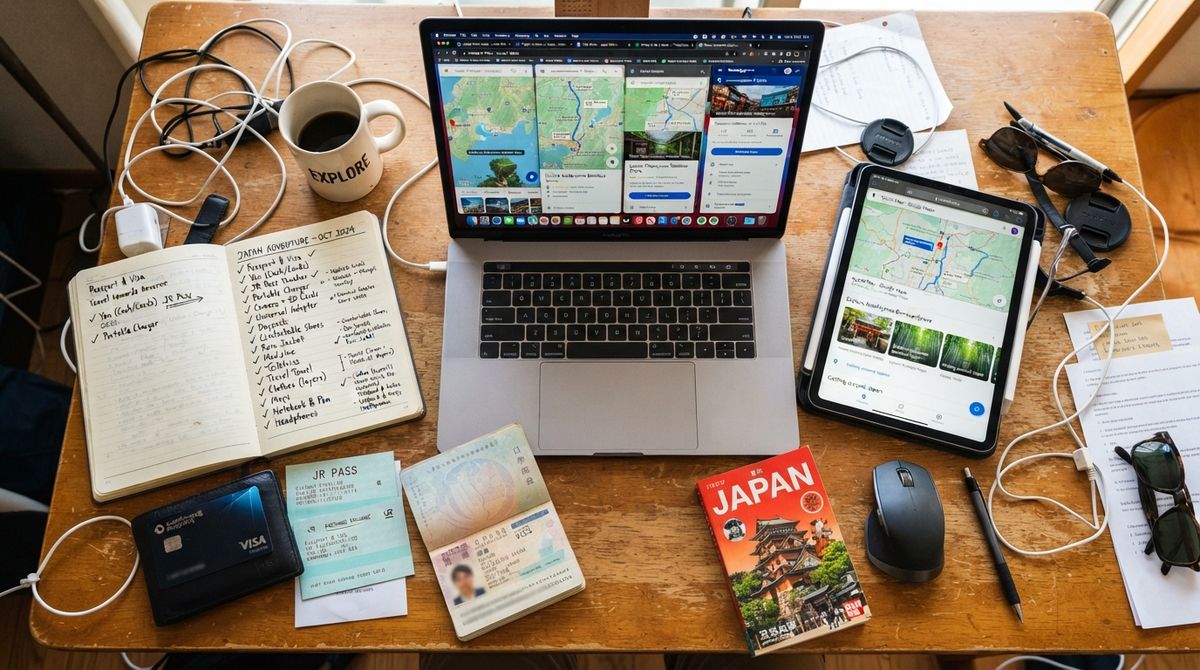
Group travel can be wonderful, yet it also brings the challenge of matching different budgets, energy levels and interests. One person may dream of museums while another wants long walks and quiet cafes. The strongest trips come from a process where every voice matters before the bags are packed. A little structure at the start makes the whole journey smoother.
Planning a shared trip is part logistics and part diplomacy. Decide early who will coordinate, who will book and who will track costs. Set a simple timeline for decisions so the group does not stall while waiting for a perfect answer. The sections below walk through the core steps in a fair and friendly order.
Choosing a Destination by Shared Vote
Start with a short list of places that suit the group’s budget and calendar. Readers may also want to visit InstaGTrends. Ask each traveler to rank their top choices, and let the results guide the final pick. A transparent vote feels fairer than a decision made behind the scenes.
Include practical limits, such as time away from work or family, so the list stays realistic. Give quieter members space to share their preferences in writing. If the vote ends in a tie, use a simple tiebreaker that everyone accepted beforehand. Confirm the decision in one shared message so nobody feels overruled.
Splitting Bookings and Shared Budgets
Money is often the most sensitive part of group travel, so it helps to decide how costs will be shared before any booking is made. You can also visit Mobilearabi.net for more reading. Choose the method that matches the group’s comfort level. Write it down so the choice is easy to remember later.
Assign one person to track spending in a shared spreadsheet that everyone can read. Ask travelers to log payments as soon as they happen, not at the end of the trip. Settle balances promptly so nobody feels owed or indebted for long. Clear records make the trip feel generous rather than tense.
Balancing Free Time With Shared Plans
A good itinerary leaves room for shared activities and personal breaks. For a related read on this site, see Phone Roaming Plans on Work Trips: Common First. Mark a few anchor events that everyone wants to attend, then leave the rest open. This structure keeps the trip focused without feeling rigid.
Let people split off for an hour when they need solitude or a different pace. Agree on a meeting point and a time to regroup so nobody worries about a missed connection. Rotate who chooses the restaurant or activity each day. Balance keeps the group energized and respectful.
Rotating the role of trip captain gives everyone a chance to set the tone for a day. The captain checks the plan, confirms meeting times and keeps a list of open questions. Other travelers can offer ideas, but the captain makes the final call for that day. Changing captains keeps power balanced and makes the group feel equal in the planning process.
Some groups find that a short morning huddle helps everyone agree on the day before the first coffee. Each person names one thing they want to do and one thing they would happily skip. The huddle usually reveals enough overlap to plan a route that satisfies most people. Quick conversations like this prevent tension from building during a long walk.
Keeping Everyone Safe and Informed
Safety starts with simple habits, such as sharing hotel details and emergency contacts with the whole group. Keep copies of important documents in a secure digital folder. Make sure each traveler knows how to reach local services in case of need. Clear information prevents panic if plans shift unexpectedly.
Check the latest travel advice from official sources before departure and again just before leaving. Agree on a buddy system for nights out, especially in unfamiliar areas. Store a basic first aid kit in a shared bag and label it clearly. Calm preparation makes it easier for everyone to enjoy the journey.
Before leaving the hotel, check that each traveler has the address, phone number and emergency contact for the group. Save those details offline so they remain available if a signal drops. Note the nearest medical facility for any destination with limited services. A small card in each wallet can hold the key information in one place.
Agree on a clear signal for when someone feels unwell or simply needs to head back early. The traveler should be able to leave without guilt, and a partner should always confirm that the trip continues safely. Discuss these habits before departure so nobody feels awkward later. Shared trust makes the whole group braver about trying new places.
Coming Home Still Friends
A group trip is successful when people return with good memories and healthy relationships. Take time to share photos, honest feedback and ideas for the next adventure. Thank the organizers and the travelers who made compromises along the way. The bonds built on a shared journey often outlast the souvenirs.