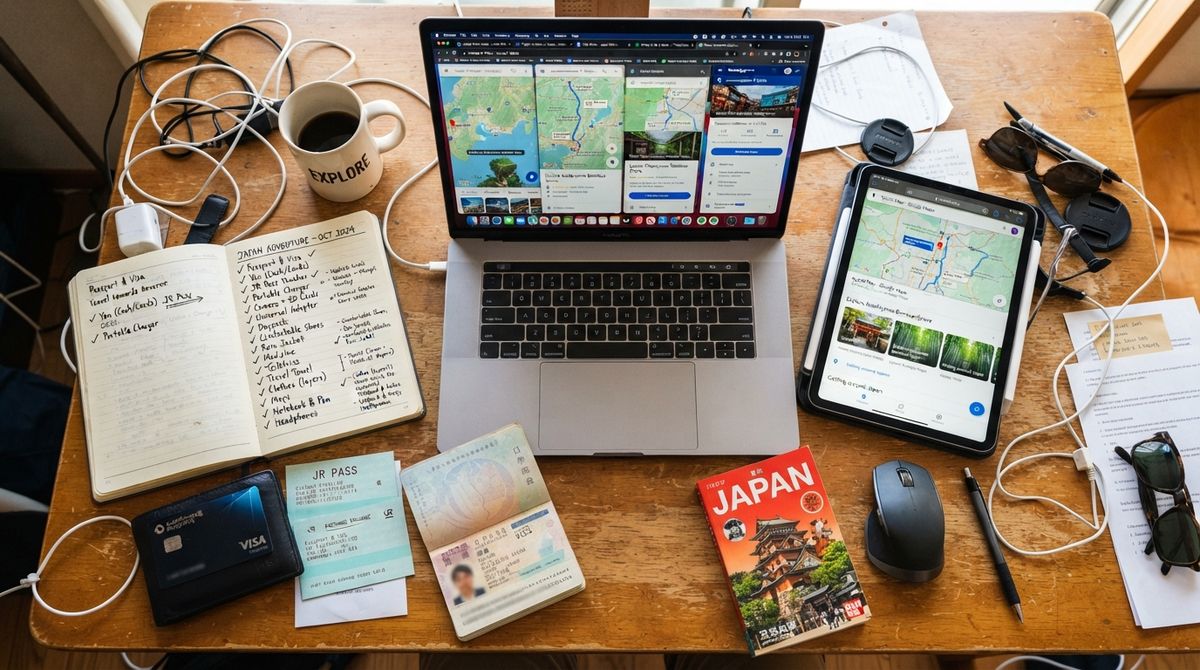
A first visit to a city in another country can feel overwhelming before the plane even leaves the ground. Clear preparation tends to turn that anxiety into curiosity, and it leaves more room for the small surprises that make travel memorable. Travelers who plan a few essentials usually relax sooner once they arrive. The five points below cover transport research, documents, local customs, payment habits and packing layers. They offer general planning ideas that suit most destinations, and they invite readers to confirm current details independently. Use them as a checklist, then fill in the specifics for the place you plan to visit. Many travelers find that a small plan calms the first few hours.
Research Transport Before You Land
Getting from the airport to the city center is often the most stressful moment of a first trip. Look up the typical options, such as trains, buses and shared rides, before arrival so that you are not deciding under pressure. Download offline maps and save the address of your accommodation in the local language, which helps when you show it to a driver. Readers may also want to visit Resepna Star. Knowing the first journey in advance sets a calm tone for the rest of the trip. Note the hours of the last service in the evening too, since late arrivals can find options limited. Ask your hotel about the best route at check-in, since staff often know shortcuts. Keep a printed copy of the address in case your phone battery runs out.
Keep Copies of Important Documents
Travel documents can be lost, damaged or delayed, so having backups matters a great deal. Store scanned copies in a secure cloud folder and keep paper copies separate from the originals in a different bag. Share the itinerary with a trusted contact back home so that someone knows where you are expected to be. Check entry requirements through official government sources well before departure, since rules can change without much notice. You can also visit bbcworldservicetrust.org for more reading. Keep a digital copy of any receipt for prepaid bookings as well. Check that the passport validity period meets the requirements of your destination. Keep the contact details of your accommodation and the local emergency number in the same folder.
Learn a Few Local Customs
Local customs shape daily interactions in ways that guidebooks sometimes miss. Greetings, tipping habits and dress expectations can differ widely from one country to another, and a little awareness goes a long way. Learning a few polite phrases in the local language often earns a warm response from shopkeepers and servers. For a related read on this site, see Keeping a Home Business Running While Someone Is. Observing how locals behave in cafes and on public transit provides practical clues as well. When in doubt, watch and follow the pace of the people around you. Ask a local person politely if you are unsure about a custom, since most people are glad to explain. Learn how to say thank you and good morning before you arrive.
Plan Cash and Card Habits
Payment habits vary across regions, and some places still rely heavily on cash for everyday purchases. Tell your bank the travel dates so that legitimate transactions are not blocked by a security check. Carry a small amount of local currency for transit fares and small vendors who may not accept cards. Keep cards and cash in separate places so that a single loss does not leave you without options. Compare exchange choices at the destination before committing, and avoid making money decisions while you are rushed or tired. Note which card provider to call if a card is lost, and save that number somewhere offline. Keep a small amount of cash in a secure pocket for emergencies. Let your bank know about any large purchases you plan to make abroad.
Pack in Layers for Changing Weather
Weather can shift during a single day, especially in coastal or mountainous areas. Light layers, a waterproof shell and comfortable shoes give flexibility without adding much weight to the bag. Choose clothing that matches local dress norms where that matters, such as at religious sites or formal venues. Leave some space in the bag for purchases and souvenirs picked up along the way. A short list checked the night before departure prevents most packing mistakes that travelers regret later. Pack the heaviest items near the wheels or back panel to make the bag easier to carry. Keep the most important items in your carry-on so they stay with you.
A first trip abroad rewards thoughtful planning more than perfect knowledge. Transport research, document copies, customs, payment habits and layered clothing cover the essentials. Each step reduces stress and leaves more room for enjoying the city itself. Set a relaxed pace, stay curious and let the place surprise you in ways no checklist can predict. The best memories often come from the unplanned moments between the listed sights.