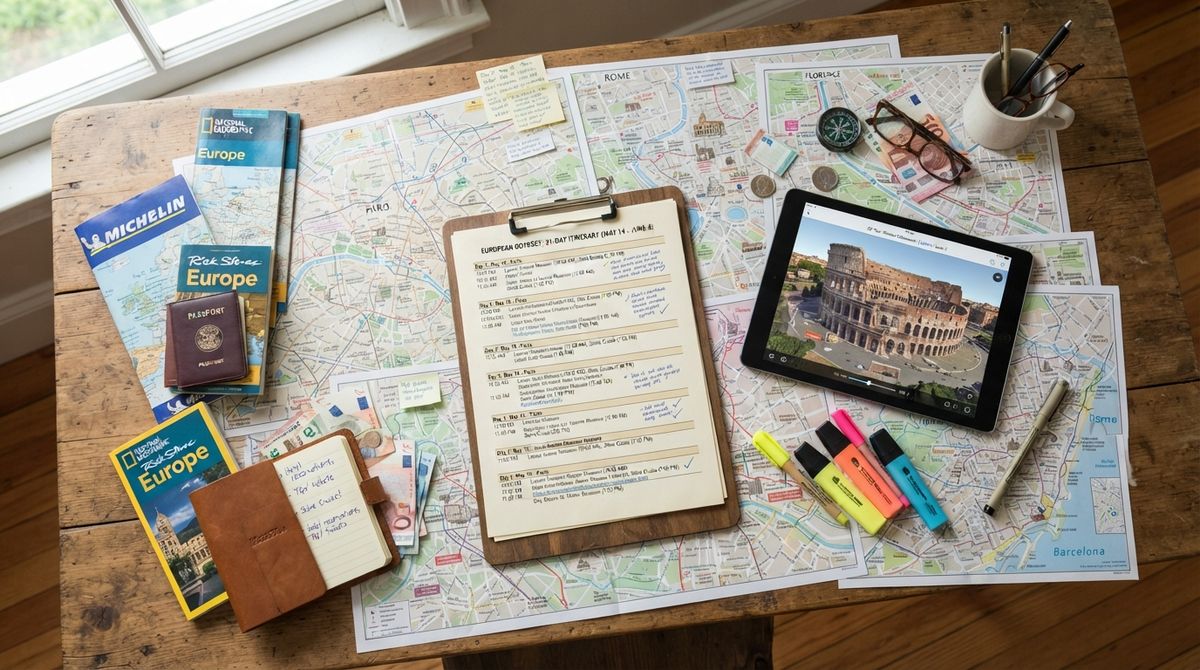
Travelers today can design a trip from the first idea to the final checkout, or they can hand much of that work to a professional who knows the destination well. Each approach brings its own satisfactions and its own frustrations, and neither one is automatically better. Doing everything personally offers freedom, control and the pleasure of discovery, although it can also consume hours of research. Working with a trip designer offers polish, local knowledge and a welcome sense of relief when the logistics begin to feel overwhelming. The right choice depends on your budget, your appetite for planning and the complexity of the route you have in mind. This article explores both paths so you can decide which one suits the journey ahead, without assuming that one approach is right for every traveler or every trip.
Setting the Goals for the Journey
Every good itinerary begins with a clear sense of what the trip is meant to achieve, whether that means rest, adventure, culture or time with family. Write down your top priorities and note any limits on dates, money or physical energy before you look at a single destination. Readers may also want to visit Fullformguide. Be honest about how much movement you enjoy each day, because packed schedules and relaxed mornings produce very different memories. Clear goals make every later choice easier, including the decision about whether to plan alone or ask for help, and they keep the trip grounded in what you actually want from it.
Building an Itinerary From Scratch
Planning your own itinerary gives you complete control over pacing, neighborhoods and the small detours that often become the best stories from a trip. Start with a map, mark the places you must see and then cluster them by area so you are not zigzagging across town each morning. You can also visit newspanel.org for more reading. Leave room for flexibility by holding one or two open afternoons where the plan can bend without breaking. Doing the work yourself takes time, but it teaches you the daily rhythm of a place in a way that a printed schedule never does, and that understanding often shapes the most rewarding decisions you make during the trip.
What a Trip Designer Can Add
A trip designer contributes experience, contacts and a second set of eyes that can spot problems before they ruin a carefully built plan. Good designers know which transport connections are tight, which neighborhoods close early and which hotels handle late arrivals gracefully. For a related read on this site, see Packing Food for Road Trips Through Hot and. Ask any designer for a written outline, a list of included services and a clear explanation of how changes are handled once the trip is underway. A reliable professional should welcome those questions and explain the reasoning behind each recommendation without hesitation, including the trade-offs that come with every suggested route.
Booking Stays and Transport Carefully
Whether you plan alone or with help, booking stays and transport deserves careful attention to cancellation terms and check-in details. Read the policies before paying, especially for flexible-rate options that may carry different conditions than standard reservations. Keep confirmation messages in one folder, along with addresses, contact numbers and the exact arrival times you expect to keep. Consider leaving a buffer between connections so that a delayed train does not cascade into a missed reservation later in the day. Careful bookings protect the plan regardless of who designed it in the first place, and they give you a calmer start to every single day on the road.
Leaving Room for Spontaneous Plans
The most memorable moments on many trips come from plans that were never written down at all. A friendly café recommendation, a sudden street festival or an unexpected view can reshape an afternoon in ways no itinerary could have anticipated. Build small pockets of unstructured time into each day so that curiosity has room to lead the way. Travelers who plan too tightly often feel rushed, while those who plan too loosely may waste precious hours wandering without direction. Striking that balance is a skill that improves with every trip you take, and each journey adds a little more confidence to the next one.
Matching the Method to the Traveler
In the end, the best method is the one that leaves you rested, curious and reasonably confident when you step off the plane or train. Independent planners may enjoy the research as much as the destination itself, and they will benefit from building their own roadmap. Others find real value in handing the logistics to someone who has walked the same streets many times before. Some travelers blend the two, drafting the core route personally and asking an expert to polish the details before departure. Whichever path you pick, keep the plan flexible enough to welcome the surprises that make travel worthwhile, and remember that a well-built plan is a starting point rather than a rulebook.