Arriving at a train platform in an unfamiliar city can feel like stepping onto a stage without a script. Announcements roll past in a language you may not follow, crowds move with a rhythm that seems almost choreographed, and the signs look full of arrows and symbols. A visitor’s first impression is shaped by these small moments. They show a great deal about how the city works.
This article looks at the platform through the eyes of a traveler who has never used the system before. The first things noticed are usually the signboards, the queues, and the way people stand near the doors. The things most often missed include ticket rules, platform changes, and the local etiquette that keeps everything moving. A little awareness turns a confusing wait into a useful first lesson about the place.
Signs Speak Before Anyone Does
Signboards are the first teacher. Most stations use a consistent set of colors, icons, and arrows, so a visitor can often read the route even without the language. Pay attention to the terminal name at the top of the board and the stop order beneath it, since many lines share track with others. Readers may also want to visit The Kitchen Store Online.com. Checking those basics before departure makes the platform far less intimidating.
Maps on the wall often show more detail than newcomers expect. Colored lines, small icons, and station names can reveal where transfers happen and which exits lead to the main street. Taking a photo of the map before boarding gives a handy reference later. Paying attention to the direction a line runs prevents many wrong turns.
The Queue Has Its Own Logic
Standing position is another quiet signal. In some cities travelers form neat lines marked on the floor, while in others people gather loosely and step forward when a door opens. Newcomers may assume the crowd is disorganized, only to discover an unspoken order based on where the exits will open. Watching for a few minutes shows where to stand. You can also visit thehomepicz.com for more reading.
Standing position is only part of the picture. Luggage, strollers, and bicycles often have their own areas, and those zones are usually marked on the platform floor. Respecting those spaces keeps everyone moving and avoids sharp words. Patience pays off quickly. Watching how locals handle heavy bags is one of the quickest lessons available.
Tickets, Validators and Timing
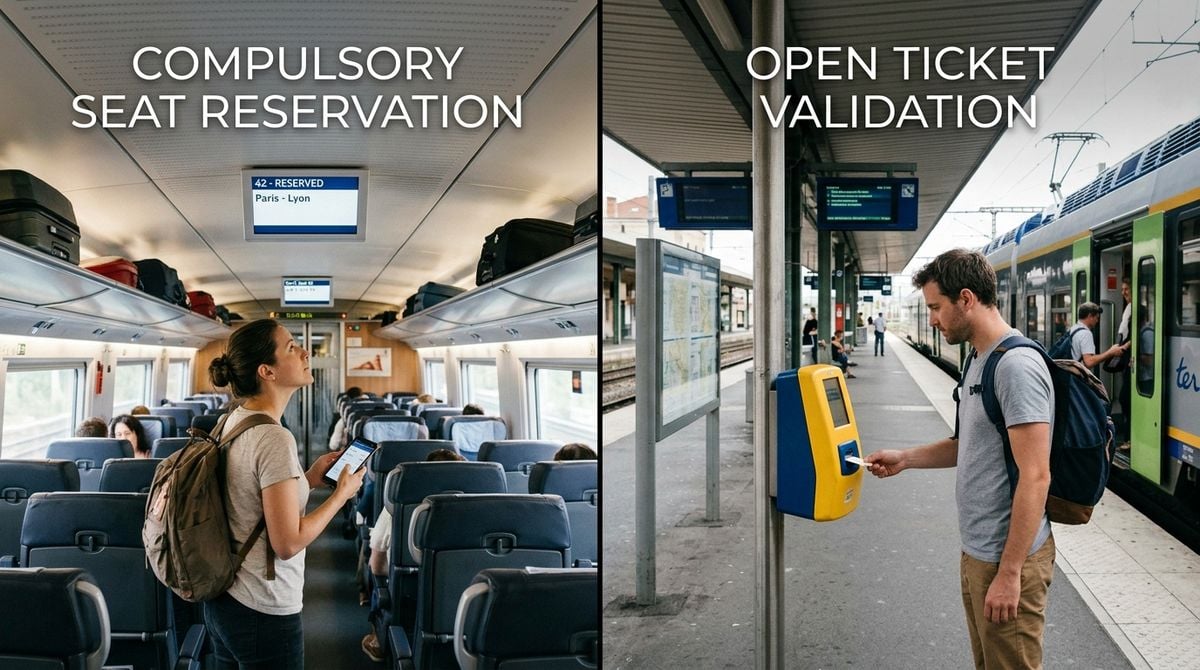
Ticketing is where many visitors stumble. Some networks require a tap or a stamp before boarding, and missing that step can lead to fines or awkward explanations. Others accept tickets only at automated machines, which may show their instructions in several languages. Confirm the rules for the specific line you plan to use, and keep a spare card or some coins ready in case a machine is out of service. For a related read on this site, see Keeping Laptops and Documents Safe on a Business.
Ticket machines can be confusing when the screen switches between languages. Most machines offer a help button or a staffed desk nearby, and asking for help is perfectly normal. Keep a few spare coins or a backup payment method ready. A short, calm question at the counter usually resolves the problem in less time than a search online.
Platform Changes Without Warning
Platforms change more often than newcomers expect. A train listed on one board may move to another side during a busy hour, and the announcement may come only once. Listen for the platform number, then check the screens near the stairs. Staying near the middle of the platform, where most routes converge, helps you react quickly without sprinting along the edge.
Platform changes often come with a short delay, which can make travelers feel stranded. A quick look at the departure screen, followed by a steady walk toward the new platform, usually works best. Crowds tend to move together, so following the flow near the stairs helps. Keep bags close and avoid stopping in the middle of a narrow passage.
What the Waiting Reveals
The minutes spent waiting say much about a city’s pace. Some platforms are full of conversation, while others feel quiet and efficient. Street musicians, vendors, and commuters with coffee all add their own texture. Visitors who slow down and watch these details often learn more about daily life than any guidebook page could explain.
Waiting areas are also social places. Some stations host small shops, cafes, or seating areas where people chat quietly before their trains arrive. Visitors who sit down for a few minutes often notice friendships forming among regular commuters. The rhythm of conversation can feel like a second timetable. Those small scenes reveal a city’s warmth more clearly than any written guide.
A First Lesson in Local Life
A train platform is one of the most honest places in a city. It shows how people plan their days, how they respect one another, and how they handle small surprises. Arriving with curiosity turns a simple wait into an introduction to the place. Keep your eyes open, and the rest of the trip tends to feel easier.