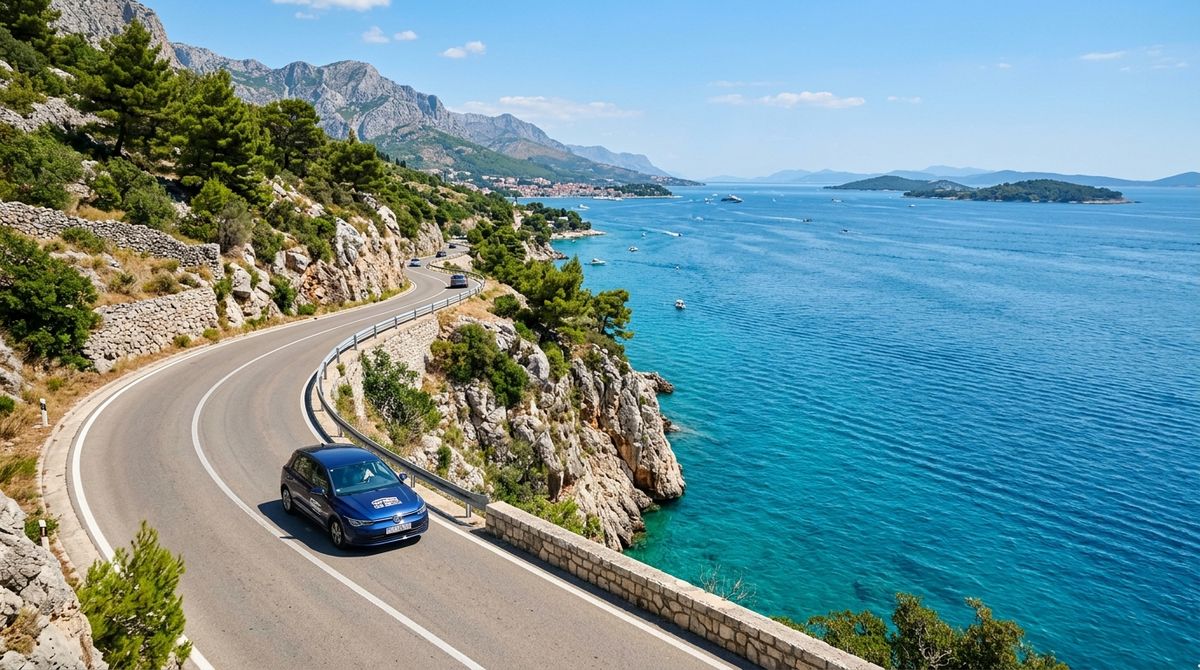
A long road trip burns through fuel, tires and patience. Small choices made behind the wheel decide how much of that fuel turns into useful distance. Idling in traffic, carrying heavy loads and driving at high speeds all increase the amount of waste. Good planning reduces those costs and makes the journey calmer for everyone in the car. The advice below describes general habits that suit most road trips, whatever the vehicle and the distance. Read the guidance in the vehicle manual as well, since specific figures and features differ between models. Plan the first hour carefully, because a settled start often sets the pattern for the rest of the day.
Plan Routes Around Stop and Go Traffic
Check traffic patterns before departure and pick routes that avoid crowded city centers at peak times. Smooth roads with fewer traffic lights usually allow steadier speeds and fewer sudden stops. Readers may also want to visit bestdualfuelgenerator.com. Save a few options on the phone so a delay can be handled quickly without a long stop. Think about the stretches that have steep hills, since climbing at full throttle uses far more fuel. Planning a route that flows well often cuts fuel use more than any single driving trick. Leave a little extra time so the journey does not turn into a rush. Rushing tends to increase speed changes and heavy braking, which both waste fuel and wear the brakes faster. Traffic reports from the local transport authority, where available, can also flag closures early.
Turn the Engine Off While Waiting
Long idling wastes fuel and produces unnecessary exhaust, even when the car is stationary. Turning the engine off during a long wait, such as a level crossing or a lengthy roadwork stop, saves fuel quickly. Modern cars restart easily, though drivers should follow the owner’s manual for any start stop features. You can also visit huizhiseed.com for more reading. Gentle acceleration and early braking also keep the engine working efficiently. Idling to warm the cabin in cold weather uses more fuel than most people expect, so a short drive is often the better option. Scrape frost from the windows by hand while the engine is off, rather than leaving it running on the drive. Turning off the engine for a brief stop in a queue also prevents exhaust from building up around the vehicle.
Keep the Load Light and the Tires Right
Extra weight in the boot increases fuel use, so pack only what the trip really needs. Roof boxes add drag, and removing them when not in use can improve efficiency noticeably. Check tire pressure before leaving, since underinflated tires roll less efficiently and wear unevenly. For a related read on this site, see Planning a Regional Sales Tour Between Client Offices. Keep the tire gauge in the glove box for quick checks at each fuel stop. Heavy items should sit low and near the center of the car, which keeps handling stable. Secure loose objects so they do not slide during braking, since a sudden stop can make the car work harder to recover. Remove unneeded roof racks in summer as well, since drag matters at every speed.
Choose Speeds That Save Fuel
Fuel use climbs quickly at high speeds, so a steady pace below the fastest lane usually saves money. Cruise control helps on open highways, though it should be used with care on hills where it may hold speed too firmly. Driving in a higher gear on flat roads lowers engine strain without losing much pace. Sudden changes in speed waste energy that a smooth approach would keep. Slowing a little on long stretches can cut the total fuel bill noticeably over a long journey. Check the tire and load setup again after any change to the cargo. A brief glance at the speedometer during the first hour helps set a steady rhythm for the rest of the drive.
Share Driving and Rest Stops Wisely
Fatigue leads to abrupt braking and aggressive acceleration, which both waste fuel. Rest stops every couple of hours keep drivers alert and the car running efficiently. Sharing the wheel on long legs spreads the effort and keeps each driver fresh. Refuel at moderate levels rather than topping up in a rush, which helps avoid unnecessary trips to busy stations. Good breaks make the whole journey feel more relaxed, and they give time to check the route ahead. Write down which stops worked well so the next trip can use the same plan. Keep a note of distances between stops so the next plan is easier to set. Taking turns at the wheel is easier when each driver knows the planned stops in advance.
A Lighter, Steadier Journey
Fuel-efficient road trips come from route planning, engine care, a light load, moderate speeds and sensible breaks. None of these steps requires special equipment or a new car. Each small saving grows across the miles and across the trips that follow. Note what worked after each journey and repeat it next time. A short log in the glove box makes it easy to compare trips over the seasons.