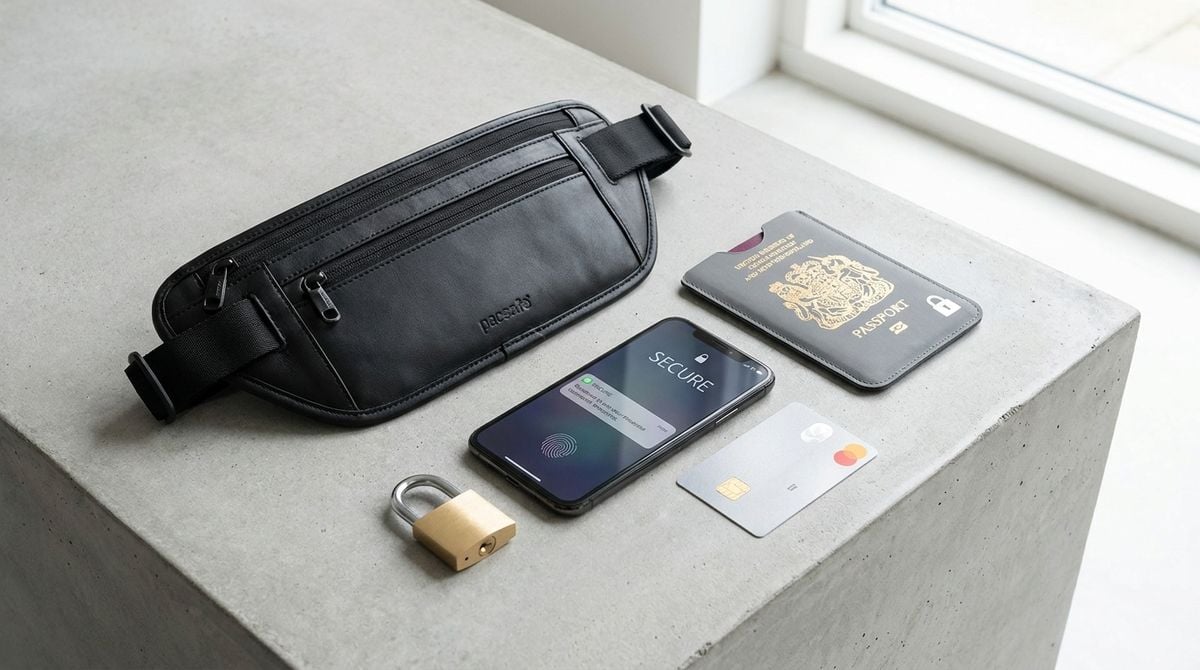
A carry-on bag has to do a lot of work on a short trip. It needs to hold the things you cannot afford to lose, fit under a seat or in an overhead bin, and stay comfortable on your shoulder for hours. Many travelers fill it with extras that never get opened. A well-planned bag keeps the essentials within reach and leaves room for the unexpected. This guide covers the items that earn a place and the extras that can stay home.
Trips differ, and the right mix depends on the length of the journey, the weather and the activities planned. Use the ideas below as a framework, then adjust them to match your own routine. A bag packed with care is easier to search and quicker to repack at security checkpoints.
A Compact Pouch for Daily Needs
A small pouch with a zipper is the anchor of most carry-on bags. Keep a spare set of medication in its original packaging, a pen, a charger and a few tissues inside it. Store the pouch in an outside pocket so you can reach it without unpacking the whole bag. Keep the pouch closed at all times while moving through a crowded station, so nothing drifts out during a rushed transfer.
Choose a pouch with a clear lining and a firm base, so small items do not sink to the bottom. A flat design fits better under a seat than a rounded one. Readers may also want to visit deltadesignltd.co.uk. Pack a second pouch only when the journey includes long delays or overnight connections. A small second pouch can also hold a spare pair of glasses or a compact snack for emergencies.
Chargers, Adapters and Cable Organizers
A charger for each device is essential, and a spare cable is worth the small extra weight. Wrap cables in a cable organizer so they stay tidy and do not tangle around the phone. Label each cable with a strip of tape if you carry several that look alike.
A universal adapter can save a trip when outlets differ, though it should be checked for compatibility with each device before departure. You can also visit garrettiron.com for more reading. Keep the adapter in the same pouch as the cables, so nothing is left behind at the hotel. A short test before leaving home confirms that every cable and plug still works with the sockets you expect to meet.
Packing Cubes and Compression Bags
Packing cubes divide clothing by type, which makes it easy to find a shirt without unpacking everything. Use a medium cube for tops, a small cube for underwear and socks, and a flat sleeve for pants. Fill each cube loosely so the fabric can breathe and wrinkles stay manageable.
Compression bags shrink soft items such as sweaters, but they can make folded fabric harder to inspect at a checkpoint. Use them sparingly, and keep a small pocket of loose items for quick access. For a related read on this site, see Working From the Road: A Small Remote Business. Test the packed bag at home by carrying it around the house for a few minutes. Adjust the straps and the position of heavy items until the weight sits close to the back, which keeps the load comfortable.
Carry-On Extras Most Travelers Leave Unused
Heavy guidebooks, a full toiletry kit and multiple pairs of shoes take up room that is rarely needed. A small travel bottle of basic toiletries can be refilled at the destination. Choose one pair of comfortable shoes for the journey and pack lighter footwear for the rest of the trip.
Extra jackets and bulky blankets are often unnecessary when the cabin is warm. Layers worn on the body are easier to manage than a heavy coat stuffed in the bag. Many travelers find that they carry less each time once they review what went unused on the last trip.
Keep a short note in the bag of items that were never opened, and check it before the next packing session. Over a few trips, the note becomes a reliable guide that keeps the bag lean without much thought.
Reviewing the Bag Before Boarding
A short check before leaving the house catches most missing items. Confirm that the passport, the tickets and the charger are in their usual pockets. Look at the list of liquids and electronics that must be easy to reach, and place them at the top of the bag.
Repeat the check at the gate, since the bag may have been shifted during security. A quick glance at each pouch confirms that nothing slipped out. A calm, consistent routine makes the journey feel less rushed from start to finish. Arriving with a light, orderly bag leaves more energy for the trip itself.
Light Bag, Easy Trip
A compact pouch, a tidy cable organizer and a few packing cubes cover most short journeys. Leave the extras at home and review the bag after every trip. A lighter load makes every step of the journey easier.