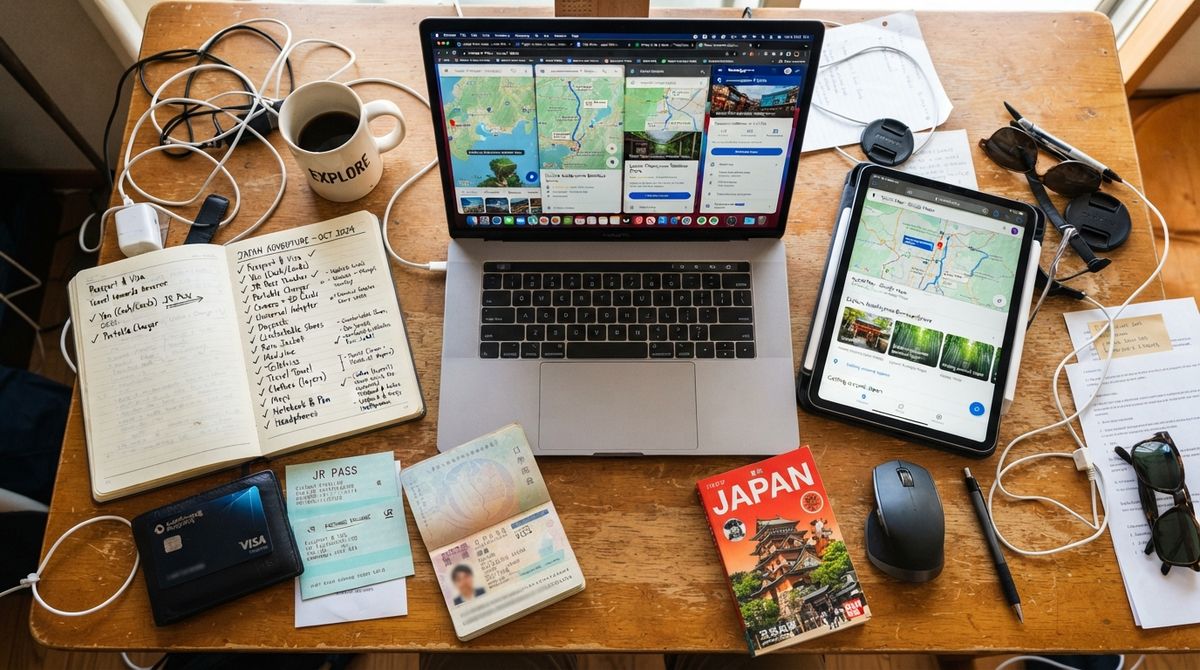
A long trip asks for different planning depending on the season. Cold weather brings shorter daylight, icy surfaces and the need for layers, while summer brings heat, crowds and a longer list of outdoor activities. Travelers who adjust their plans to the climate tend to enjoy the trip more and spend less time reacting to surprises. The guidance below offers general planning habits that apply to most destinations, whether the journey is a week of city sightseeing or a month of slow exploration.
Start with a simple question. What will the weather feel like at each stop, and how will that affect transport, meals and activities? Answering that question early shapes almost every other decision in the itinerary, from the luggage you pack to the hours you plan to spend outside.
Packing Layers for Changing Conditions
Winter travel rewards a layered approach. A thermal base, a warm middle layer and a windproof outer shell can handle most cold conditions, and each piece can be added or removed as the day changes. Pack a compact pair of gloves, a hat and dry socks in a daypack, since damp feet and cold hands are among the quickest ways to lose enjoyment on a winter outing. Readers may also want to visit Realestateguidance.org.
Summer packing focuses on breathable fabrics, sun protection and quick-drying clothes. A wide-brimmed hat, a light scarf for air-conditioned rooms and sturdy sandals with good grip cover most situations. Bring a refillable water bottle, and plan rest breaks in shaded spots during the hottest hours of the day.
Transport Choices in Cold and Heat
Transport plans need extra care in winter. Trains and buses can run behind schedule when snow or ice affects the network, so allow a generous buffer before connections. Driving in cold regions calls for winter tires, a full fuel tank and a charged phone, while walking routes need careful footwear. You can also visit Giraflat.com for more reading.
Summer transport brings a different set of challenges. Peak travel weeks can fill trains and ferries quickly, so reserve seats in advance where possible. Heat can make long walks tiring, which makes public transport or shared rides a practical choice during the afternoon. Keep water on hand and avoid leaving bags or electronics inside hot vehicles.
Accommodation Choices and Local Events
For a related read on this site, see Expense Words Frequent Business Travelers See on Receipts. Winter stays benefit from good heating, thick bedding and easy access to indoor activities such as museums, markets and cafes. Check whether a property has reliable heat and whether the area is easy to reach if conditions worsen. Ask about local events that suit the season, such as seasonal festivals or indoor concerts.
Summer accommodation should offer shade, cooling and a quiet space for resting. Rooms facing the sun can become uncomfortable by midday, so consider a higher floor or a room on the shaded side of the building. Many destinations hold outdoor events in summer, so check local calendars and book early if you want to attend a popular show or market.
Backup Plans for Weather Surprises
Every long trip needs a backup list. Identify one indoor activity for each stop that works in bad weather, and keep the addresses and opening hours in a shared note. This approach turns a rainy afternoon or a sudden cold snap into an opportunity rather than a frustration. Keep a copy of your travel documents, insurance details and emergency contacts in a secure place, and let someone at home know your general route.
Build flexibility into the schedule too. Leave a free day for every few days of planned activity, and choose two or three must-see items so the remaining time can shift with the forecast. Travelers who plan this way often report that the trip felt relaxed, even when conditions changed.
Build the itinerary with rest in mind. Long travel days in cold weather can be draining, and hot afternoons can sap energy quickly. Schedule quiet hours in the middle of the day, and reserve the most demanding activities for the times when the body feels fresh. A slower pace often leads to richer memories, because there is time to notice small details and enjoy local food without rushing.
Keep a shared travel document that lists the flights, the rail times, the addresses and the emergency contacts for everyone in the group. Update it whenever plans change, and make sure every traveler has a copy on their phone and on paper. A clear document saves time when weather disrupts a connection and helps the group decide quickly on an alternative route.
A long trip in any season rewards careful preparation. Pack layers that match the temperature, choose transport that suits the conditions, pick accommodation that feels comfortable and keep a backup list for every stop. Start with the destinations you care about most, then build the rest of the plan around the weather you expect to meet.