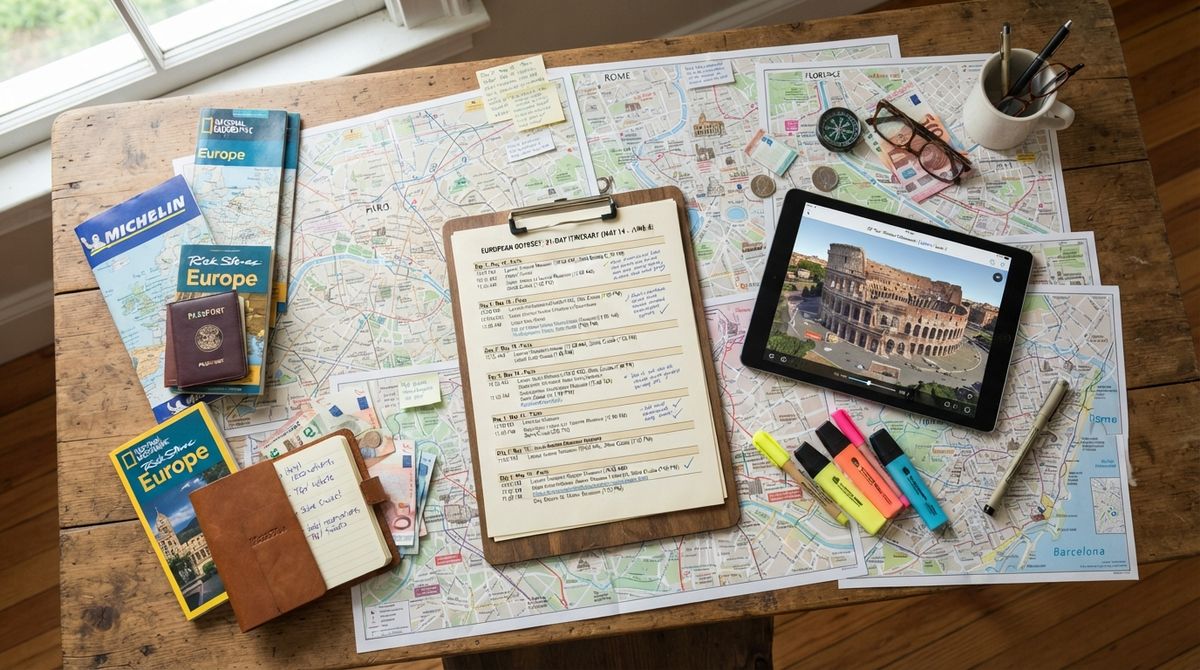
Many travelers rely on the same planning method for years. A spreadsheet of flights, a folder of printed confirmations and a fixed list of must-see sights can serve well for a while. Over time, however, the method may begin to produce stress rather than clarity. This article looks at the warning signs that a planning habit has outlived its usefulness and suggests realistic alternatives to test on the next journey.
Planning is useful because it reduces surprises, yet too much structure can work against the trip itself. The goal here is balance: enough preparation to feel confident, and enough flexibility to enjoy the place you are visiting. The sections below cover the warning signs, the problem with overpacked itineraries, the value of buffer time, the role of local knowledge and a simple way to review the approach after each trip.
Noticing that every plan gets abandoned
One clear sign is a pattern of abandoned itineraries. Bookings are made, schedules are written and then ignored once the trip begins, because the plan no longer matches how you actually feel or what the weather allows that day. This gap between the plan and the experience suggests that the method is too rigid for your travel style.
Look back over your last few trips and note which parts of the itinerary were followed and which were dropped. Readers may also want to visit geek-foo.net. Use your record to decide which parts are worth keeping and which can be simplified without losing anything important. Notice too which trips went smoothly with very little planning, since they can teach you a lot about what really matters.
Overpacked itineraries that leave no room to breathe
A second warning sign is an itinerary that fills every hour with a new destination. Moving between sights takes longer than expected, and the schedule quickly falls behind. Travelers then rush through places they chose carefully, and the memories become a blur of transit times and waiting lines rather than the enjoyable moments the trip was meant to offer.
You can also visit product-review.org for more reading. That approach keeps the structure useful without making it oppressive. Ask whether each planned item is essential, or whether it simply fills a gap that could be left empty for spontaneous discovery on a quiet street or in a local market.
Building buffer time into every stage
Buffer time protects a trip from the small disruptions that almost always happen. Delayed trains, long queues at airports and tired children or companions can all shift the schedule. A block of unplanned time between major stops allows these delays to pass without triggering a chain reaction through the rest of the day, which is often where the real stress begins.
For a related read on this site, see Starting a Side Business While on the Move. Walk through each leg of the journey and ask what would happen if one step ran late. Adding a short gap after arrivals and before departures often reduces stress more than any extra sightseeing ever could, and it leaves room for rest when the schedule gets tight.
Relying on local knowledge rather than fixed lists
Fixed lists of attractions can be outdated the moment they are printed. Opening hours change, seasonal events come and go, and local favorites may not appear in general guidebooks at all. Asking hosts, shopkeepers and fellow travelers for recommendations often reveals options that a static plan would never include, from a small bakery to a quiet viewpoint. Local people often know which hours are calmer and which routes avoid the busiest crowds.
Keep the list flexible by noting a few priorities and treating everything else as a possibility. When a local suggestion appeals to you, check the latest details through official tourism sources, then decide whether it fits the day. This habit keeps the trip grounded in the real place rather than in a version of that place frozen months earlier when the plan was first drafted.
Reviewing the method after each journey
After every trip, spend a short time reviewing what the planning method did well and where it created friction. Note the moments that felt calm, the parts that caused stress and the decisions that were easiest to make. These observations build a personal guide that becomes more accurate with each journey you take. Writing one sentence about each change also helps you recall why it worked when you plan again.
Use the review to adjust just one part of the method for the next trip. Perhaps the itinerary needs fewer stops, or the booking process needs a clearer folder system. Small, deliberate changes keep the planning useful, so that it supports the journey instead of dominating it from the first draft to the final day of travel.
A planning method should make travel easier, not more tiring. Watch for abandoned schedules, crowded days and frequent rushing, then add buffer time and local input where they help most. With a lighter structure and a willingness to adjust, the next trip can feel organized without losing the sense of discovery that drew you there in the first place.