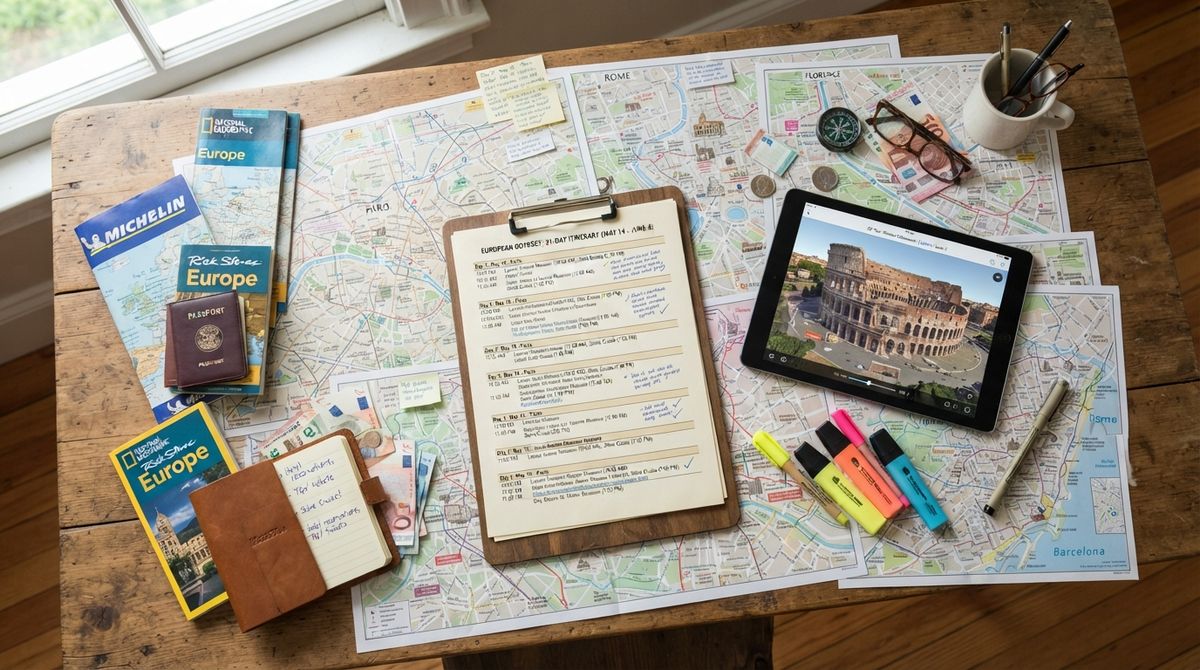
A first trip abroad often tempts travelers to fit in everything at once. The result can be a schedule that looks impressive on paper and feels exhausting by the third afternoon. Rest days are the quiet part of an itinerary that keeps the rest of the plan enjoyable. This guide explains how to build them in with calm, practical choices. A tight schedule is often the hidden cause of a tired group. Planning restraint is a skill that improves with every journey.
The ideas are general and can be adjusted to almost any destination. Think of them as a framework rather than a rulebook, since every traveler has a different energy level and different interests. Many people return home wishing they had slowed down a little sooner. Each section looks at one part of the planning process, from the shape of the week to the small habits that help on the road.
Why Pacing Matters More Than Distance
Distance on a map says little about how a day will feel. A short train ride with a tight connection can be more tiring than a longer scenic journey with plenty of time to spare. Travelers who plan for pace tend to notice more, remember more and enjoy meals more. Pacing is a practical tool, not a luxury for slow travelers alone.
Start by asking what a good day looks like for you. Some people love early mornings and tireless walking, while others prefer a slow breakfast and an afternoon in a café. Writing this down gives you a baseline to compare against each planned stop. Readers may also want to visit clipchamp. Talking through the picture with a travel companion helps too.
Choosing Where the Rest Days Go
Place rest days after the most demanding stretch rather than at the very end of the trip. A day with no train to catch or museum to see can recover energy that would otherwise fade in the final week. Many travelers find that the middle of a long itinerary is the ideal spot. Two rest days are usually better than one large rest block. Keep the rest day flexible so it can shift if the weather changes.
Look at your calendar and mark two or three days that have fewer bookings. You can also visit Fact City for more reading. Avoid stacking too many check-outs close together, since packing and moving add quiet stress. Ask the accommodation staff which streets are calm in the evening. A rest day with a simple plan is usually more satisfying than one with no plan at all.
Protecting Energy on Travel Days
Travel days deserve their own rhythm. Pack a small bag with water, snacks and a light layer so the essentials are always within reach. Keep a copy of the next booking on your phone and on paper, and a small notebook also keeps the timetable tidy. Build in extra time for transfers, because unexpected delays happen even on well-run routes.
For a related read on this site, see Notebook or Cloud Ledger for a Traveling Owner. Sleep when you can, and avoid overloading the first evening after a long journey. A short walk and a light meal often help more than a heavy plan. Keep a bottle of water close to hand throughout the day. Protecting energy early keeps the whole trip feeling steady.
Filling the Quiet Hours Well
Rest does not have to mean doing nothing at all. A slow stroll through a local market, a visit to a small park or an hour with a notebook can refresh the mind without strain. A slow pace often makes the local sounds and smells easier to notice. Quiet hours are often where the trip feels most personal. Choose activities that feel restorative rather than another item to tick off. Keep a list of nearby options so you can pick one without searching.
Read a few pages of a local book, sit at a café and watch the street, or try a simple cooking class if one fits the schedule. Many travelers discover their favorite memories during these unplanned hours. Keep the day loose enough that a good moment can stretch into an evening. Carry a small pocket map so wandering feels like a choice rather than a problem. The best rest days often end with a story worth telling.
Looking Back at the Pace
When the trip ends, review what the pace felt like from start to finish. Note which days were too full, which felt just right and which rest day was the most valuable. Those notes make the next itinerary easier to shape, whether it is a short city break or a long journey across several regions. Write a single sentence about your favorite slow moment before the memory fades. Share the notes with friends who travel with you so everyone benefits. A thoughtful pace is one of the most useful lessons a first trip can teach.