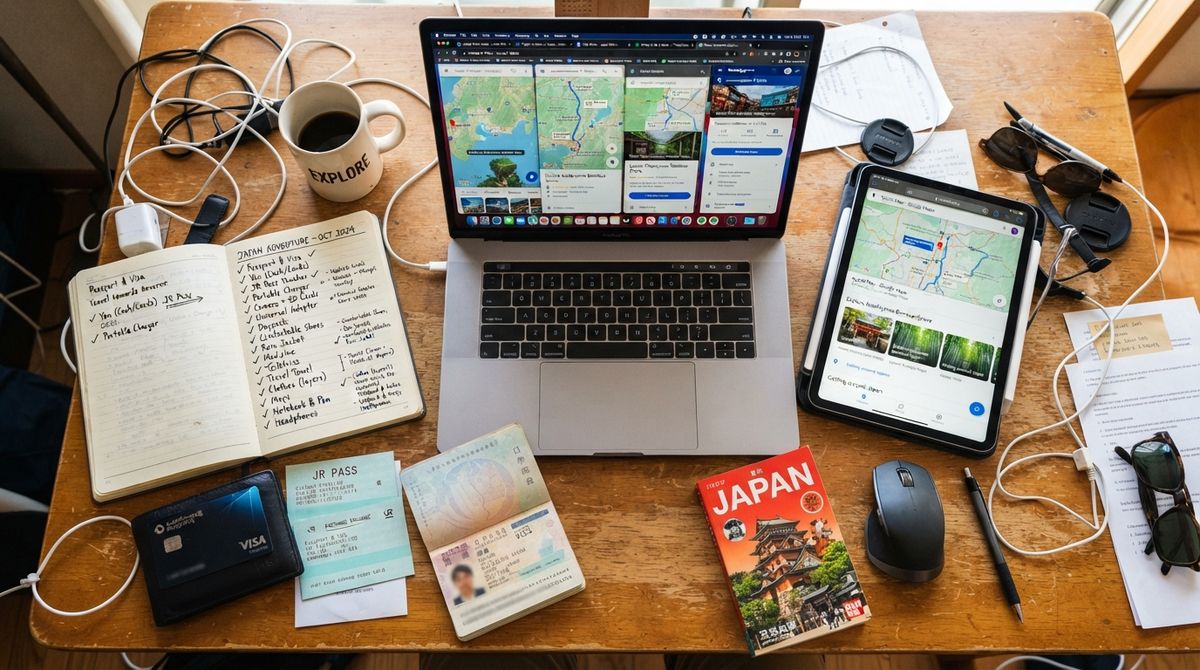
Business travel often ends with a shoebox of receipts and a sense of unfinished work. A professional returns from a short trip and then spends an evening trying to remember what each taxi ride cost. Meals blur together, and a hotel charge appears on a statement that nobody can match. The delay is frustrating for the traveler and for the colleagues waiting on the report. Most of the trouble comes from how the record is kept, not from the trip itself.
This article describes the before and after of one modest habit, a simple expense log updated during each day of travel. The log does not change the spending rules of any employer, and it does not offer tax advice. It is a personal working tool that holds dates, places, amounts and short notes in one place. The point is to replace a pile of loose paper with a record that is easy to read. Once the habit settles in, the trip feels lighter at both ends.
Receipts Scattered Across the Trip
Before the habit, receipts lived in wallets, jacket pockets and the back seat of a rental car. Some were photographed on a phone and forgotten, while others were tucked into a notebook that rarely left the bag. The traveler sorted everything on the return flight, usually squinting at faded thermal paper. Mistakes crept in because nothing was written down at the time of purchase. Each gap then required a short and embarrassing email to a colleague in finance.
Many professionals assume that expense tracking is a task for the accounts team alone, yet the daily record matters most to the person who spent the money. Readers may also want to visit Fruzo. Once a simple format exists, the traveler records each item in under a minute. The habit reduces the number of questions that come back weeks later. The difference is easiest to notice in the first hour after landing.
One Log, Kept Daily
The log uses five columns: date, place, category, amount and a short reason. A new row is added after every meal, ride or purchase, while the details are still fresh in memory. Photos of receipts are saved in one folder with the same date in the file name. Nothing in the log needs formatting, which keeps the work quick and unfussy. A traveler can complete a full day’s entries while waiting for a train.
You can also visit igiveonline.com for more reading. Those guides describe how to record the business purpose of each meal and when a receipt must be kept. The traveler in this example wrote a three-word reason beside every entry, such as client lunch or station taxi. That small note turned a confusing statement into a clear story. Reviewers rarely needed to ask follow-up questions afterward.
Filing Without Dread
Filing becomes easier when the log and the photo folder share the same structure. The traveler exports the log at the end of each week and places it beside the receipts for the same days. For a related read on this site, see Packing Cubes Turn Hotel Checkouts Into Quick Tasks. Each week closes with a short check that every row has a matching image. Gaps are fixed while the trip is still recent, rather than after months of guessing.
The same routine works equally well for a single weekend trip and for a month on the road. Keep the template identical across trips so that any colleague can read it without training. Store a backup copy in a second place, in case a phone is lost or a laptop fails. Remove nothing from the record, since later corrections are easier to explain when the original entries remain. Consistency is the quiet secret behind a reliable paper trail.
Calmer Weeks After the Trip
After the change, the weeks following a trip feel noticeably different. The traveler no longer dreads the reconciliation task, and the evening after the flight can be spent resting instead of searching. Managers receive clean summaries and fewer chasing messages. The stress that once hung over a return home fades into a routine that takes minutes. Even short trips feel easier to close off properly.
The habit also changes how the traveler thinks about spending during the trip. Writing a reason beside each item encourages a pause before a purchase, which tends to reduce impulsive choices. Travelers often find that their notes reveal patterns, such as a hotel that charges more than expected or a transport route that could be simpler. Those observations make future trips more predictable. The log quietly becomes a planning tool as well as a record.
Back at the Desk Without a Backlog
A simple expense log does not remove every difficulty of business travel, but it turns a stressful chore into a small daily habit. The receipts stay in order, the reasons are clear and the report writes itself in a short sitting. The colleague waiting on the paperwork gets an answer quickly, and the traveler returns to the desk without a backlog. The paper trail becomes a small, steady gift to the traveler’s future self. Good records make the next trip easier to plan as well.