A train journey in a new country can be one of the most memorable parts of a trip, with scenery that changes by the hour and a relaxed pace that feels almost unhurried. First-time travelers, however, often run into avoidable problems that turn the ride into a scramble. Most of these problems start during planning rather than on the platform. This article reviews six common blunders and gives a simple correction for each one. The information is general and may vary by route, operator and season, so travelers should always check the latest details shortly before they set off.
Booking Too Late for the Best Options
Booking ahead can also reduce stress during the trip because seats and times are already settled. Keep the booking details in one saved place for quick access.
Many first-time rail travelers wait until the last moment to search for tickets, then discover that the most convenient options have sold out. Early searches reveal the spread of fares and the departure times that suit the itinerary best. Set an alert on a timetable site or check the operator’s own page several weeks ahead of the trip. Flexible travel dates can also open up more choices and smoother connections. Readers may also want to visit bestcameraworld.com.
Overpacking the Luggage Allowance
Lighter luggage makes stairs, platforms and crowded carriages much easier to handle. A packing list kept on a phone helps identify items that can stay home.
Trains often have strict baggage rules for both overhead racks and under-seat space. Beginners sometimes pack a large suitcase, assuming it will fit everywhere the way it did on a flight. A smaller bag with a clear size limit is easier to lift, store and carry through crowded stations. Check the guidance for the specific operator before packing, because some routes have more generous allowances than others. Carry essentials in a daypack so that one hand stays free for railings and tickets.
Trusting Only One Timetable
Staff at the station can also confirm details when signs seem unclear. Asking politely at the desk is a quick way to resolve doubts.
A single timetable printout or a single app can fail when schedules change or a platform is moved at short notice. First-time travelers may rely on one source and then feel lost when that source does not match the departure board. Compare two or three sources on the morning of travel, and trust the station board for final platform details. Write the train number and departure time on paper as a backup in case the battery runs low. You can also visit How to Fix my Printer for more reading.
Choosing Tight Connections
Sometimes a slightly later train offers a calmer transfer and a better seat. Check whether the connecting train departs from the same platform or a different one.
A connection that looks comfortable on a map can be risky in practice, especially when a platform is far away or the first train runs late. Beginners often choose the shortest possible change to save time on the schedule. Allow a sensible buffer, and choose a longer interval if the station is large or unfamiliar. A slightly longer wait in a café is far less stressful than a sprint across a busy concourse with heavy bags. For a related read on this site, see Hiring a Local Interpreter Before a Short Overseas.
Ignoring Seat Reservation Rules
Reserved seats often carry a small marker or a label above the window. Noticing the label helps avoid awkward moments with other passengers.
Some trains require a seat reservation, while others allow any unreserved seat. Travelers who miss this detail may find that their chosen carriage is full or that the seat they booked sits in a different section. Read the ticket conditions carefully and note whether a reservation is included or optional. Check the carriage map on the platform, since coaches may be labeled differently from the online chart. Clear expectations reduce the frustration of standing through a long ride.
Traveling Without Offline Maps
Saving the route before departure means the directions remain available even in a dead zone. Store the screenshots in a separate album for easy access.
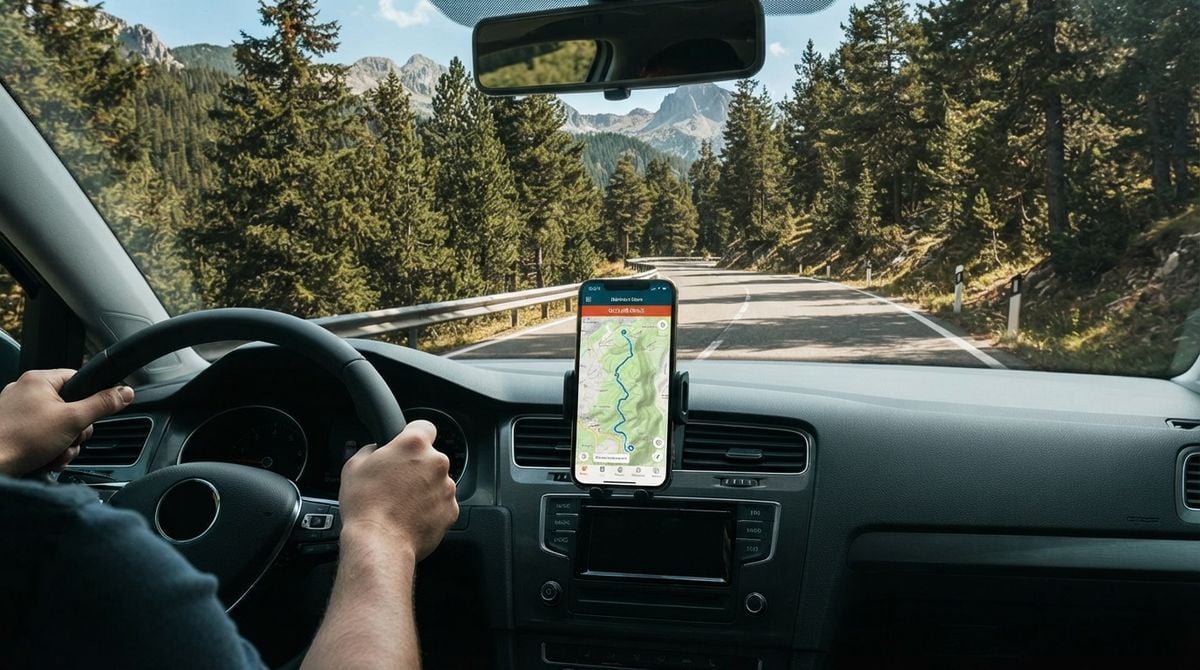
Mobile signal can drop in tunnels, rural areas and crowded stations, which leaves travelers without live maps or messages at critical moments. Beginners often assume the connection will always be available when it is needed most. Download offline maps and save key addresses before departure. Keep a paper note with the hotel name and the station exits in case the phone runs out of power. A little preparation keeps the trip smooth even when the network fails.
Enjoying the Ride With Less Stress
Give yourself a few minutes after arrival to reset before the next plan begins. A short pause makes the rest of the day feel more relaxed.
Early planning, a sensible bag and a few backup details turn a train journey into a pleasant experience. Review the plan the evening before departure and check for any changes posted by the operator. Most travelers find that the calmest trips are the ones with the simplest checklists. Good preparation leaves more time to enjoy the view outside the window, which is the part of the journey most people remember.