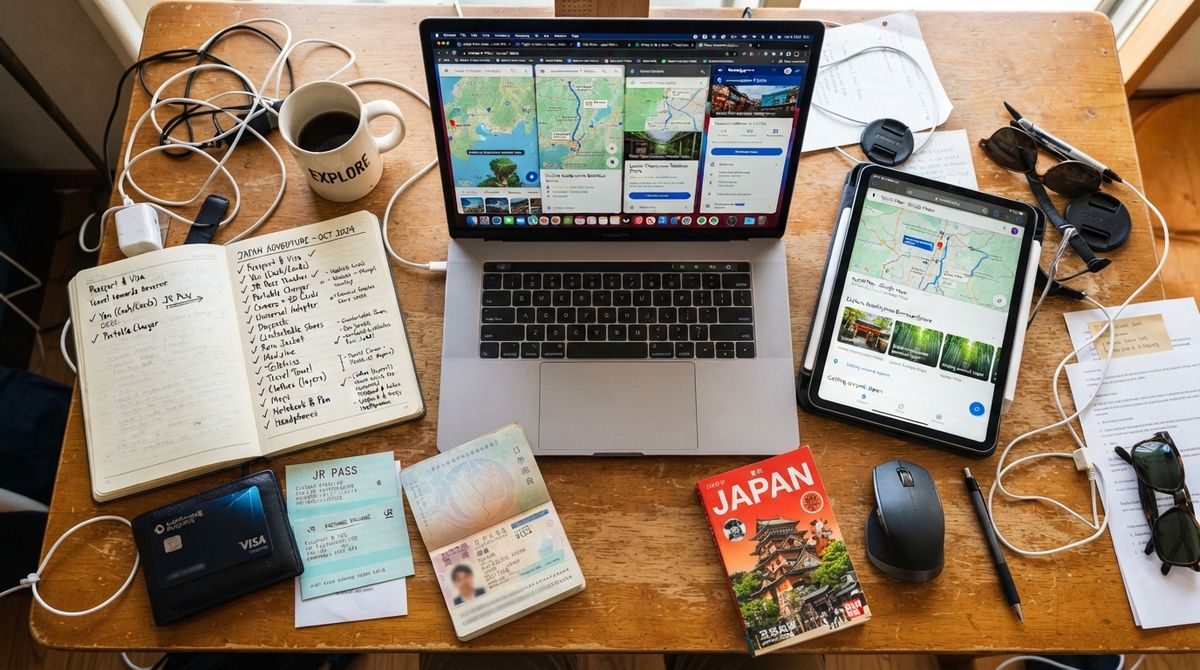
Trips that mix paid work with personal time have become a common pattern for travelers. Many people now add a few extra days to a conference, or they bring a laptop on a holiday and keep a light schedule. The arrangement can be rewarding, but it asks for more discipline than either a pure vacation or a full business trip. Good planning turns a blended trip into something both productive and restful.
This article explores how the approach has changed, from shared workspaces and flexible bookings to the constant pull of messages. It also covers the older basics that still hold up, such as a clear itinerary, a realistic daily plan and a firm line between work hours and free time. The advice is general and should be adapted to your own job, employer rules and personal needs. Think of it as a set of questions to answer before you leave.
Choosing Accommodation That Supports Both
Accommodation has changed a great deal, with flexible stays and coworking spaces now sitting beside traditional hotels. Look first for reliable internet, a desk with a proper chair and quiet hours that match your call schedule. Check whether the location lets you reach meetings on time without a long journey each morning. Read guest feedback about noise and connectivity, which often matters more than the decor.
Readers may also want to visit Angkor Car Guide. Use them to filter by desk space, meeting rooms and printing options. Then confirm the details directly with the property, since listings can lag behind real conditions.
Consider the neighborhood after dark as well as during the day. A safe, well lit street with easy access to food and transport can make a long workday far more pleasant. Ask the host about check in times as well, since late arrivals may need a separate arrangement.
Protecting the Hours You Promised
The biggest risk of a blended trip is that work slips into every free moment. Set daily start and stop times for your job, and tell your colleagues exactly when you are available. Turn off non essential alerts during leisure hours, and keep one device for work so the separation is clear. A short walk between the two halves of the day signals a change in mindset and helps the brain switch gears.
You can also visit Auto Car News HQ for more reading. Those guides explain how to batch tasks, protect deep work sessions and communicate boundaries without sounding distant. Try one method for a week and keep what makes the evenings feel genuinely free.
Planning Money and Expenses
Blended trips complicate expense claims, because some costs belong to the employer and others to the traveler. Keep receipts for work items separate from personal purchases, and note which days were business and which were leisure. Ask your employer early what they will cover, especially for extra nights or travel companions. Clear records make the claim easier to approve and protect you from confusion later.
A simple spreadsheet or the expense tool your employer already provides can organize this without fuss. For a related read on this site, see Slow Travel Versus Packed Itineraries: How Trip Planning. Review the totals each evening so nothing is forgotten by the time the trip ends.
Keep a short list of contacts for the trip, including the office line, the hotel front desk and a colleague who can cover urgent messages. A quick call to confirm the plan before departure often prevents double bookings and missed connections.
Staying Healthy and Rested
Irregular days can make sleep and meals harder to manage. Pack a few familiar snacks, keep a regular bedtime when possible and schedule short walks between meetings. Drink water steadily and avoid heavy late meals before important calls. A little routine goes a long way when time zones and schedules shift.
Rest can also come from small rituals. A morning coffee taken without a screen, a short stretch between sessions or an early night before a big meeting all help the mind recover. Choose the rituals that suit you and repeat them each day so the trip feels steady rather than rushed.
Making Room for Real Rest
Leisure is not a reward for finishing work; it is part of the trip. Book at least one unscheduled afternoon and protect it from calls. Choose one local experience that has nothing to do with your job, such as a museum visit or a long lunch by the water. The balance tends to feel better when leisure time is planned as carefully as the work.
Plan the journey home with the same care. Leave a buffer for transport delays, pack the work materials in one place and send a short handover message before boarding. A clean finish lets the leisure days feel separate from the work that follows.
Ending the Trip With Clear Edges
A blended trip works best when both halves are honest. Decide what must get done, decide what can wait and give the rest of the time to the place you are visiting. The clearer the boundary, the more each part of the journey has to offer.