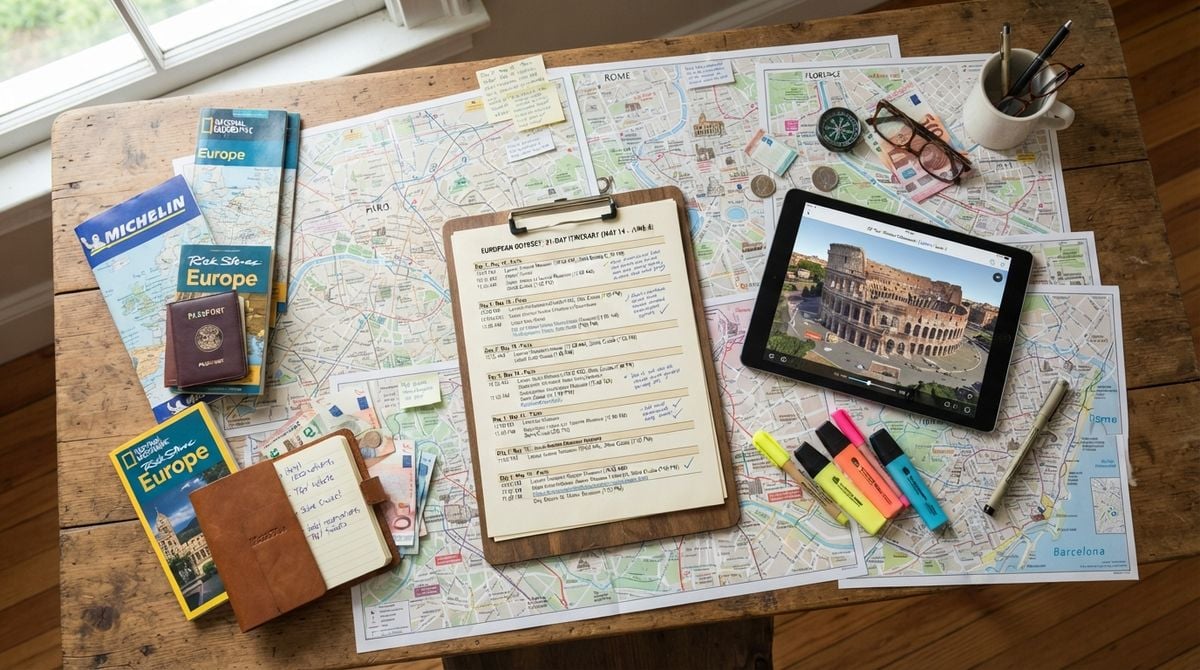
Trip planning used to mean a guidebook, a paper map and a list of must-see sights ticked off one by one. Many travelers still follow that pattern, and it can produce memorable days. Newer habits have arrived alongside it, including itinerary apps, instant booking and a constant flow of suggestions from strangers online. The result is that people now feel pressure to see more in less time, even on a holiday meant for rest.
This article compares the packed itinerary with the slower style that has gained ground in recent years. It explains where each approach shines and where it can go wrong. The goal is to help a traveler choose a pace that matches energy, budget and interests. The guidance applies to city breaks, road trips and longer journeys across several regions.
How Digital Planning Tools Shaped the Packed Schedule
Itinerary tools make it easy to fit many stops into a short trip. A traveler can drag a museum, a market and a viewpoint into one neat timeline before leaving home. These tools also show travel times and opening hours in a single screen. Readers may also want to visit carinsurancequotenw.info. The result can be efficient, yet it may leave little room for chance encounters or spontaneous detours.
The packed schedule rewards people who love a full agenda and handle transitions well. It works for travelers with plenty of energy and a clear sense of priorities. Problems appear when one delay causes a chain reaction that ruins the rest of the day. Building in a buffer hour is a simple way to keep the plan flexible.
The Older Roots of Slow Travel
Slow travel is not a new idea, since travelers in earlier eras often stayed in one town for weeks. They walked, shared meals with local families and learned the rhythm of a neighborhood. Many guides in print still encourage that pace by recommending a café or a park bench as a destination. You can also visit advanceautocars.com for more reading. The old method emphasizes depth over breadth.
Slow travel also tends to cost less in certain ways. Staying longer in one place can reduce the number of transfers and the time lost to packing. A traveler who settles in for several days often finds better value on a week’s lodging. The approach also invites curiosity about everyday life rather than only famous landmarks.
Blending the Two Styles on One Trip
Many travelers find that a mixed plan suits them best. Choose one or two anchor sights each day, then leave the remaining hours open for wandering. Use the planning tool to check opening hours, but do not treat every minute as fixed. For a related read on this site, see Who Drives, Who Talks: Roles for Two Tour. Balance keeps the trip energetic without becoming exhausting. Give each day a clear theme so the schedule feels purposeful rather than random.
Consider the group’s needs before finalizing any schedule. A family with young children will need more breaks than a pair of friends on a food tour. Older travelers may prefer fewer transfers and more time seated in comfortable places. Discussing these needs early avoids arguments on the road.
Pacing Transport Without Losing the Day
Transport often eats up more time than expected. A short train ride can become a long wait at a crowded station, and a taxi can stall in traffic. Build a margin into every leg of the journey, especially for early departures or connections. Keep the main sights within walking distance of each other whenever possible. Fewer transfers mean more energy left for the things you came to see.
Consider the mode of travel as part of the experience rather than only a means to an end. A scenic bus route or a riverside walk can be the highlight of a day. Check schedules before you leave and keep a printed copy in case the battery fails. Reliable planning prevents rushed moments that spoil an otherwise pleasant trip. A short walk to check the platform before boarding can save a lot of anxiety.
Leaving Room for Surprises and Rest
Surprises often make a trip memorable, but they need space to happen. Leave at least one unscheduled afternoon in a longer stay, and let curiosity guide the choice. A quiet hour in a park or a long lunch with a view can be as valuable as a famous sight. Rest days also prevent the fatigue that makes every decision feel harder. Travelers who protect time for rest usually enjoy the second half of a trip more. Even a single unplanned morning can reset the mood of a whole week.
Pay attention to how you feel at each stage of the journey. If energy drops early, cut a stop and enjoy a slower evening instead. If the pace feels too relaxed, add a small outing without guilt. Adjusting the plan on the fly is part of skilled travel. Keep a notebook for the small discoveries, because they often become the best stories later.
Choosing a Pace That Fits the Traveler
Packed itineraries and slow journeys each suit different people and goals. Most trips benefit from a blend that keeps a few anchors and leaves generous gaps. The best plan is one that feels like a choice rather than an obligation. Adjust the pace as you go, and the holiday will feel richer for it.