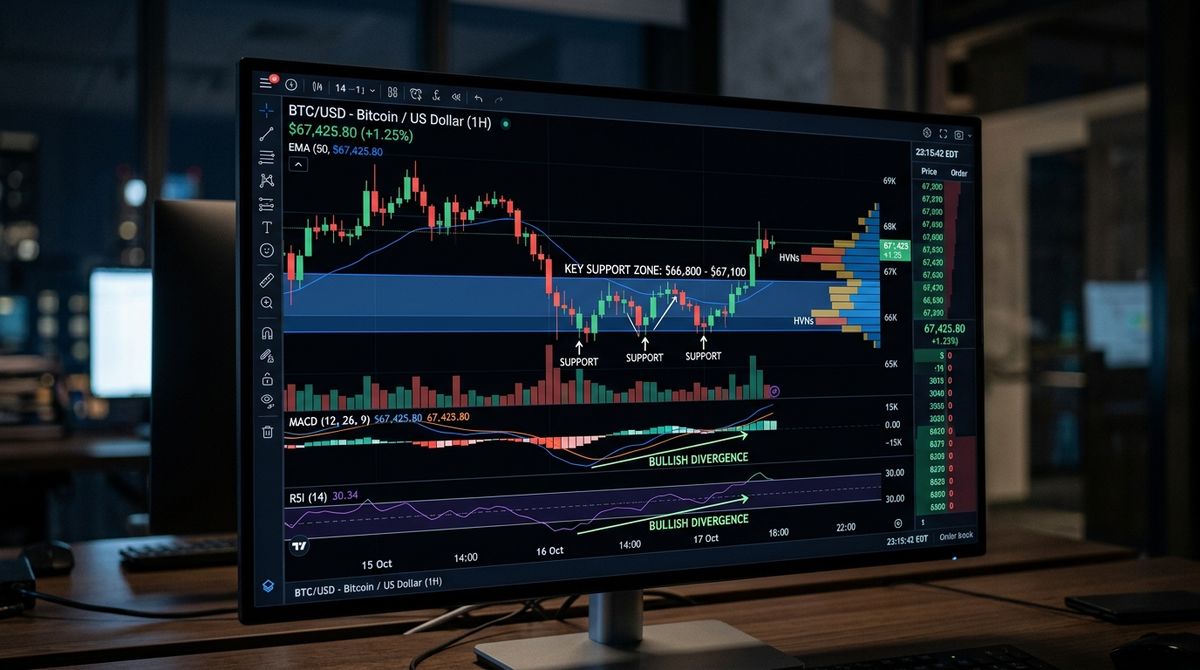
International travel brings memorable discoveries, yet navigating daily spending across borders can present unexpected friction when foreign exchange rates shift. Whether you are exploring vibrant capital cities for a few weeks or moving across multiple borders during an extended journey, currency values rarely stay static. A destination that seems affordable when you book flights can become noticeably more expensive if the local currency strengthens against your home currency before your arrival.
Preparing for these shifts does not require deep economic expertise, but it does demand thoughtful planning and flexible routines. By understanding what drives currency movement, setting up the right payment systems before departure, and adopting calm spending habits abroad, you can protect your purchasing power and travel with greater peace of mind.
Understanding Foreign Exchange Movement on the Road
Foreign exchange rates fluctuate based on ongoing shifts in international trade, inflation trends, central bank policies, and global economic sentiment. For travelers, these broad market forces translate directly into the cost of morning coffee, intercity train tickets, and nightly lodging. When a destination experiences sudden currency volatility, the purchasing power of your home funds can rise or fall within a matter of days.
Staying informed about broader economic developments provides a practical advantage when planning cross-border itineraries. Travelers who regularly monitor international economic reporting through platforms like quickstartmoneysite.com can spot broad fiscal shifts and market movements before arriving at an overseas border. Developing an awareness of current economic conditions helps you make timely decisions about when to book regional transportation, adjust your itinerary pace, or exchange cash reserves.
Understanding these dynamics also prevents common misunderstandings regarding local pricing. In countries where exchange rates change rapidly, shopkeepers and restaurateurs often adjust menu prices and retail tags to match current valuations. Recognizing that these adjustments reflect wider economic realities helps you navigate conversations respectfully and plan your daily allocations accordingly.
Choosing the Right Mix of Banking and Payment Tools
Relying on a single payment method while traveling internationally creates unnecessary vulnerability. If a card is declined, captured by an automated teller machine, or flagged for unusual activity, your ability to pay for essentials can disappear instantly. Building a resilient wallet begins with selecting cards and accounts specifically structured to minimize cross-border transaction fees and support seamless overseas transactions.
When evaluating different financial accounts and credit solutions suited to your travel schedule and lifestyle, consulting resources like Richname.net can assist in identifying the right personal or business tools for your specific budget. Selecting payment cards that waive foreign transaction fees ensures that you do not lose small amounts of money on every meal, ticket, and souvenir you purchase throughout your trip.
It is equally wise to establish accounts across distinct banking institutions. If one bank experiences an unexpected system outage or blocks your card due to automated fraud detection, you can switch immediately to a secondary card issued by an unrelated institution without disrupting your travel plans.
Strategic Cash Withdrawals and Payment Terminal Decisions
While digital payments are widely accepted across many international metropolitan areas, cash remains essential in numerous regions for street markets, rural transit, small family-run dining spots, and casual tipping. How and where you withdraw local currency has a direct effect on how much value you extract from your travel funds.
Airport exchange booths and tourist-heavy kiosks typically provide unfavorable conversion rates and add heavy service charges. A far more practical approach is to withdraw local currency directly from official bank-affiliated automated teller machines located inside well-lit bank branches. Bank-owned machines offer authentic exchange rates and provide greater physical security than standalone kiosks situated in busy tourist corridors.
When paying with a card at point-of-sale terminals or automated teller machines, you will frequently encounter a prompt asking whether you prefer to be charged in your home currency or the local currency. This mechanism, known as dynamic currency conversion, lets the merchant machine apply an arbitrary exchange rate that almost always favors the vendor. Always choose to be billed in the local currency of the country you are visiting, allowing your own card provider to handle the conversion at official market rates.
The logistical impact of currency shifts is especially noticeable when traveling for professional conferences and trade shows, where hotel deposits, event registrations, and client dinners must be settled under shifting exchange conditions. In these structured business environments, mastering point-of-sale choices and managing receipts accurately ensures that corporate or personal funds remain predictable throughout the trip.
Practical Habits for Protecting Daily Purchasing Power
Managing exchange volatility during your journey comes down to consistent, calm daily practices. Rather than trying to predict complex market swings, experienced travelers focus on small, actionable measures that shield their funds from unnecessary friction.
- Pay for expenses in the local currency at checkout terminals rather than accepting conversion into your home currency.
- Use automated teller machines affiliated directly with major commercial banks instead of independent tourist kiosks.
- Carry primary and secondary payment cards issued by different financial institutions to avoid total payment lockouts.
- Withdraw moderate amounts of physical currency to cover immediate needs without carrying excess cash.
- Check foreign exchange rates weekly to understand realistic pricing for lodging and daily meals.
These simple disciplines build an operational buffer between your wallet and the shifting foreign exchange landscape. By sticking to these foundational steps, you reduce accidental administrative losses and keep your focus on enjoying your journey.
Establishing Resilient Financial Safeguards for Long Stays
If you are planning an extended journey through several foreign destinations, managing your funds requires an extra layer of organizational security. Keeping your primary savings in an account connected to an everyday debit card exposes your life savings if the card is skimmed, stolen, or misplaced during transit.
A safer approach is to maintain a main repository account that remains untouched by everyday transactions, while transferring smaller sums periodically into a secondary spending account. Most contemporary mobile banking applications allow you to complete these internal transfers within moments from your smartphone. If your primary travel card is ever compromised, the potential exposure is restricted solely to the small balance resting in that transactional account.
Additionally, take time before departure to configure travel notifications, review daily withdrawal limits, and confirm how to reach emergency customer support from overseas. Preparing these safeguards ensures that you can handle currency shifts and payment logistics smoothly, leaving you free to immerse yourself in the cultures and landscapes along your path.