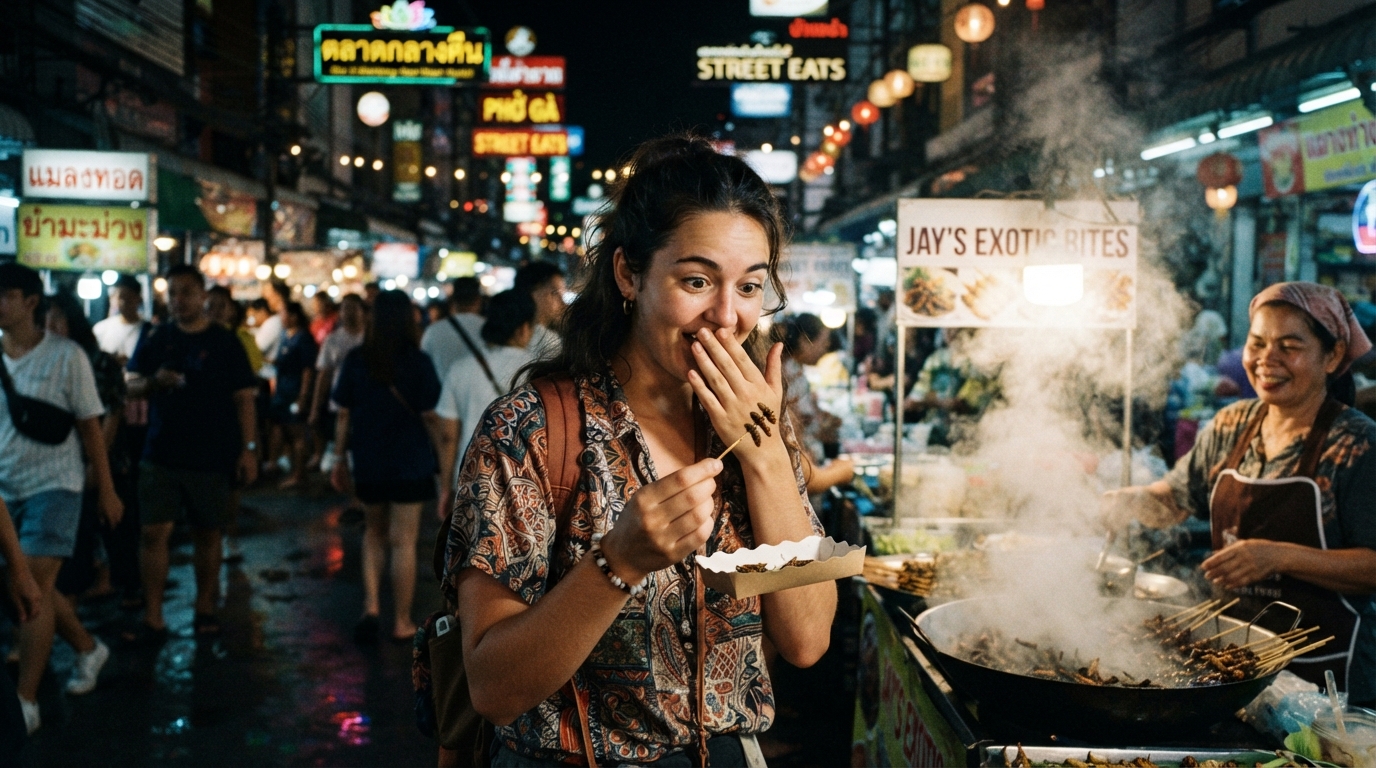
Traveling opens doors to unforgettable experiences, diverse cultures, and incredible regional cuisines. Exploring new neighborhoods and sampling traditional recipes often stands as the highlight of any itinerary. However, long travel days, shifting schedules, and unfamiliar food preparation practices can easily disrupt your physical well-being. Balancing nutritious dining with dependable meal safety ensures you stay energized and ready for adventure.
When you are far from home, maintaining your routine requires deliberate choices. Finding wholesome options at transit hubs or navigating vibrant night markets demands both curiosity and caution. By adopting mindful food habits, you can savor authentic flavors while protecting your health throughout every leg of your journey.
Prioritizing Wholesome Fuel Between Destinations
Long travel itineraries often mean spending hours in airports, train stations, or roadside rest stops where quick, processed snacks dominate the shelves. Relying solely on packaged items packed with refined sugars and heavy sodium leaves you feeling lethargic. Making a conscious effort to seek out fresh fruits, unsalted nuts, whole grains, and lean proteins keeps your vitality high and your digestion smooth.
A great travel habit is packing durable, nutrient-dense provisions before you depart. Dried fruits, raw seeds, roasted chickpeas, and whole-wheat crackers take up minimal luggage space and withstand changing temperatures. For reliable inspiration on choosing nutrient-rich meals that sustain your physical stamina during demanding itineraries, exploring resources such as Eat Well And Live Long can help you discover wholesome food selections that support long-term wellness.
Hydration plays an equally crucial role in sustaining vitality on the road. Flying and extensive walking rapidly deplete personal hydration levels, which travelers often mistake for hunger or fatigue. Carrying a reusable, insulated water container ensures you can refill regularly at verified potable stations, keeping your energy stable throughout a busy day of sightseeing.
Essential Guidelines for Food Safety in Transit
Even the most nutritious meal can turn into a serious travel disruption if basic hygiene is neglected. Foodborne bacteria multiply rapidly when perishable ingredients sit in lukewarm environments for extended periods. When packing lunches or purchasing prepared dishes on travel days, understanding basic handling techniques is critical for staying comfortable and healthy.
Perishable foods like dairy, sliced deli meats, and prepared salads should never sit at room temperature for prolonged stretches. If you plan to carry homemade meals on cross-country road trips or scenic rail routes, always use insulated cooler bags fitted with frozen gel packs. Learning proper temperature awareness and hygiene fundamentals is easy with guides from teamvodkamartini.net, which shares practical advice on food preparation safety and smart meal handling to keep your dining experiences worry-free.
Personal cleanliness remains your first line of defense against unwanted illness. Wash your hands thoroughly with clean water and soap before touching any food, particularly after handling luggage, public transit handrails, or paper money. When running water is unavailable, carry alcohol-based hand sanitizer or sanitizing wipes to cleanse your hands thoroughly before unwrapping a snack.
Navigating Local Markets and Street Food Stalls
Sampling street food offers one of the most direct ways to connect with local food culture. Bustling open-air markets and sidewalk stalls serve fresh, authentic specialties that define regional culinary traditions. With a few observant strategies, you can indulge in these culinary treasures while minimizing the chance of an upset stomach.
Look for vendors who attract a steady line of local residents and families. High customer turnover guarantees that food is cooked continuously in small batches rather than lingering in trays for hours. Observe the cooking area carefully before ordering. The stall should appear orderly, the cook should handle ingredients with separate utensils rather than bare hands, and cooking surfaces should be thoroughly heated.
Prioritize dishes that are cooked fresh right in front of you. Piping-hot soups, freshly grilled skewers, and steamed dumplings are inherently safer than precooked items sitting in display cabinets. When it comes to fresh produce in regions with uncertain municipal tap water, choose fruits that you can peel yourself, like bananas, oranges, and mangoes, while steering clear of pre-cut fruit bowls rinsed in unfiltered water.
Setting Up a Safe Kitchen in Vacation Rentals
Booking an apartment or cottage equipped with a private kitchen is a wonderful way to maintain balanced eating habits while traveling. Preparing your own breakfasts and dinners allows you to control ingredients, incorporate regional produce, and take a relaxing break from restaurant dining. However, rental kitchens require a quick inspection to ensure they meet basic hygiene standards.
Before you begin chopping vegetables or storing groceries, inspect the cookware and refrigeration units. Rental cookware and cutting boards may carry residues from previous guests, and communal kitchen sponges can harbor unwanted microbes. Taking a few proactive steps ensures your temporary kitchen remains a safe cooking space:
- Wipe down all food preparation counters and dining tables with hot water and soap before cooking.
- Check the refrigerator to confirm that it feels genuinely cold and has plenty of airflow around your groceries.
- Wash cutting boards and knives thoroughly before using them, especially when preparing fresh produce.
- Separate raw meats from ready-to-eat foods in your grocery bags and on refrigerator shelves to prevent cross-contamination.
- Use clean paper towels or freshly laundered dish towels rather than old sponges left by previous occupants.
Cooking simple dishes in your accommodation can become a comforting ritual after an exhausting day of exploration. Vegetable stir-fries, grain bowls, and fresh pasta dishes require minimal equipment and allow you to feature unique ingredients purchased at local morning markets.
Building Sustainable Daily Routines on the Go
Sustaining healthy eating habits during an extended voyage is about consistency rather than strict perfection. Travel should be a joyful celebration of new tastes, so denying yourself local desserts, regional wines, or iconic fried pastries often leads to frustration. Strive for balance by aiming to make most of your daily meals fresh and wholesome, leaving room to savor traditional treats without guilt.
Listen carefully to your body’s natural hunger cues instead of feeling pressured to eat purely because a meal is scheduled. Long flights and passive travel hours often decrease physical caloric expenditure, while intense walking tours do the opposite. Adjust your meal sizes accordingly, and never hesitate to ask restaurant servers for vegetable substitutions or dressings on the side when you feel your diet needs a boost of freshness.
Exploring the world through its food traditions is one of the greatest pleasures of international and domestic travel. By being proactive about wholesome food choices, respecting essential food storage rules, and practicing simple hygiene habits, you safeguard both your energy and your health. Thoughtful dining habits allow you to experience every destination to its fullest, returning home with wonderful memories and a satisfied palate.