Introduction
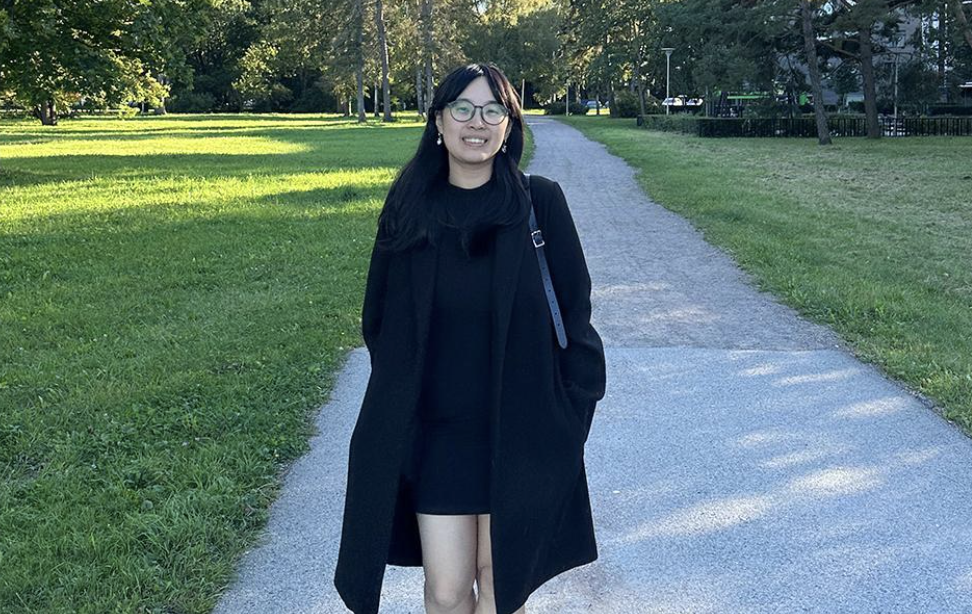
Aubrey Yung, co-founder of NT Studio, is a creative mind in SEO, structured data, and digital strategy. As a Google Search Central Gold Product Expert and a certified Product Marketer, she focuses on SEO Content Strategy, International SEO, Entity SEO, SERP analysis, and schema markup. She has advised companies across FinTech, SaaS, legal, travel, and healthcare industries. Her startup focuses on Extended Reality and Augmented Reality experiences, exploring new forms of interaction through Apple Vision Pro and immersive tools. In this interview, Aubrey shares the story behind NT Studio’s launch, her thoughts on the development of Vision Pro, and her personal philosophy on XR. She also discusses challenges, creative risks, and future possibilities.
Q1. Aubrey, what inspired you to start NT Studio, and how did your early experiences shape your vision for using spatial computing and XR technology in meaningful ways?
Aubrey Yung: One of the earliest sparks actually came from playing Pokémon Go.
I’ve always loved walking in the city and observing the urban life. When I started playing Pokémon Go, I was amazed by how AR blended Pokémon into familiar streets. It didn’t replace reality; it enhanced it.
That experience planted a seed: Technology can expand reality rather than compete with it.
Then COVID happened.
During the pandemic, cities felt different. We were physically separated from each other and confined within walls. That period made me reflect deeply on the relationship between digital life and physical presence.
I began to see XR not just as entertainment, but as a bridge. A way to reconnect digital layers with our physical environment to expand our surroundings beyond physical borders without isolating us from them.
NT Studio was born from that intersection. For me, XR enriches the world we already inhabit and expands it with intention.
Q2. Many people still struggle to articulate what “XR philosophy” means; how do you conceptualize the relationship between extended reality technology and human experience, and how does that philosophy guide the products you choose to build?
Aubrey Yung: To me, XR philosophy is about alignment between technology and human cognition. It allows us to reconnect with our environment and explore how we can expand our reality in an imaginative way.
Q3. Vision Pro and similar devices are being positioned as tools for both creation and collaboration; how do you see immersive experiences enhancing teamwork or creative expression in ways that conventional screens have not yet unlocked?
Aubrey Yung: Traditional screens fragment our attention; we are still aware of our surroundings and easily distracted by notifications.
The Spatial environments restore dimensionality to communication; we are immersed in it with a shared presence. It truly breaks the boundary and allows collaboration in a more dimensional manner.
Q4. Launching a product like a Vision Pro Pomodoro timer requires balancing technical constraints with user intuition; what design principles or human-centric insights do you prioritize when crafting XR experiences that users will genuinely enjoy and sustain over time?
Aubrey Yung: Our principle is to make the tool more enjoyable. The interface doesn’t compete with the user’s task.
We design our avatar to sit comfortably within your environment, like your pet sitting quietly by your side. It’s your companion.
Q5. Looking ahead, as XR technologies continue to evolve rapidly, what emerging opportunities or challenges excite you most, and how do you see NT Studio’s role evolving within that changing landscape?
Aubrey Yung: We are at the beginning of spatial literacy.
The opportunity that excites me most is designing experiences that enhance human depth rather than accelerate distraction.
The biggest challenge would be avoiding the replication of 2D paradigms in 3D space.
At NT Studio, our role is evolving from product experimentation to spatial experience research and design leadership. We want to contribute to defining best practices for human-centered XR.
In the long term, I believe spatial computing will feel less like “wearing a device” and more like extending cognition into the environment.
Conclusion
The human desire to connect is permanent. Aubrey Yung explores new ways for people to interact within the digital space through SEO and immersive technology. Her approach shows patience and a strong sense of purpose. She believes immersive technology should feel meaningful and accessible, not distant or complex. Her work with Vision Pro highlights her interest in shaping future digital experiences. She sees XR as more than a technical tool. Her story reminds readers that innovation begins with questioning and following it with a unique idea.