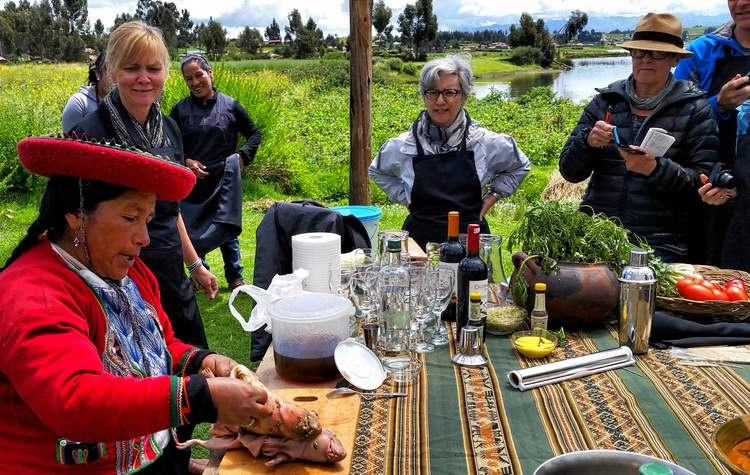
Travel is more than just moving from one place to another; it is an art that opens minds, connects hearts, and enriches souls. The desire to explore new places often comes from a deeper longing to understand different ways of life, taste unique cuisines, and form meaningful connections.
In a world filled with diversity, traveling gives people the opportunity to embrace cultures, appreciate traditions, and build unforgettable memories that go far beyond sightseeing.
Deep Diving Yourself in Local Culture
Every destination has a story, and that story is told through its people, traditions, and lifestyle. The art of travel begins with curiosity, with an open-heart willing to experience the unfamiliar. When travelers immerse themselves in local customs, they gain insights that no guidebook can provide.
Whether it’s participating in a traditional dance, visiting community markets, or learning a few phrases of the native language, cultural immersion helps travelers feel truly connected. As platforms like urbansplatter.uk highlight, travel is not just about visiting places—it’s about feeling the world, respecting its people, and carrying its lessons wherever we go.
Culture isn’t just about what you see; it’s also about how you feel and interact with those around you. Many travelers find that spending time with locals teaches them more about empathy and understanding than any classroom lesson ever could. The beauty of cultural exploration lies in realizing how similar people are despite their differences.
Savoring the World Through Cuisine
Food is one of the most delightful ways to experience a new culture. Each bite tells a story of history, geography, and tradition. From the aromatic spices of Asia to the comforting dishes of Europe, food reflects the soul of a nation.
Dining with locals or trying street food in a bustling market can be as rewarding as visiting a famous landmark. Travelers often find that food bridges cultural gaps. Sharing a meal with someone from a different background creates an instant bond, even when language barriers exist.
Through local cuisine, one can discover the flavors, techniques, and ingredients that make each region special. The simple act of trying something new—whether it’s sushi in Japan, pasta in Italy, or curry in India—becomes a celebration of connection.
Connecting with People Beyond Borders
True travel experiences are not defined by destinations alone but by the people met along the way. Connection is at the heart of travel—it transforms a trip into an emotional journey. Meeting locals, sharing stories, and making friends across continents can change the way we see the world. These human connections often become the most cherished souvenirs of any adventure.
When travelers approach others with kindness and respect, they receive the same in return. Conversations with taxi drivers, artists, or farmers reveal the spirit of a place in ways that tourist brochures never can. Travel teaches the importance of humility and curiosity—it reminds us that while we may come from different lands, we share the same dreams of happiness and belonging.
The Transformative Power of Experiences
Each journey brings lessons that shape our character and outlook on life. Traveling pushes people out of their comfort zones, helping them grow emotionally and mentally. Challenges such as navigating new cities or adapting to unfamiliar customs teach patience, resilience, and adaptability. These experiences enrich not only the traveler but also those they meet along the way.
The art of travel also inspires creativity and gratitude. When you walk through ancient streets, watch a sunset over distant mountains, or listen to the laughter of children in a village, you begin to appreciate the beauty of life’s simple moments. Travel changes how people think, act, and feel—it opens the heart to endless possibilities and exploring the traveling ideas is no doubt put individual into curiosity.
Sustainable Travel and Respect for Cultures
As travel becomes more accessible, it’s important to journey responsibly. Respecting local traditions, protecting natural environments, and supporting small businesses ensure that the positive impact of tourism lasts for generations.
Sustainable travel encourages mindfulness—understanding that every action, big or small, influences the places we visit.
Responsible travelers take time to learn about local customs before visiting, choose eco-friendly accommodations, and support artisans by buying locally made products. This kind of conscious exploration not only preserves cultural heritage but also strengthens the connection between travelers and the communities they visit.
Bringing the World Home
When the journey ends, the lessons remain. The memories of the people met, the food tasted, and the cultures experienced continue to shape our lives long after returning home. True travelers understand that the art of travel doesn’t stop when the trip is over—it lives on through stories, photographs, and newfound perspectives.
Bringing elements of travel into daily life, such as cooking international dishes or celebrating cultural festivals, keeps that spirit alive. It reminds us that while the world is vast, it is also beautifully connected through shared experiences.
Conclusion
The art of travel lies in its ability to transform simple journeys into meaningful adventures filled with culture, cuisine, and connection. Every destination becomes a classroom, every meal a celebration, and every encounter a chance to learn something new. Through travel, people realize that the world is not divided by borders but united by shared humanity.
Exploring global beauty and understanding diverse cultures also creates awareness of how interconnected we truly are. In the end, traveling is more than seeing new sights—it is about discovering yourself in every corner of the world.